Ayahuasca and Yagé: One Sacred Medicine, Indigenous Ways of Working
Ayahuasca, known as yagé in Colombia, is a traditional Amazonian plant medicine used for healing, guidance, and spiritual knowledge. While the name varies across regions, the medicine itself is the same; what differs are the Indigenous lineages, ceremonial contexts, and preparation methods through which it is worked with.
This page explains what ayahuasca (yagé) is, answers common questions such as “is yagé ayahuasca?”, and explores yage ceremonies in Colombia, including the differences between crudo and cooked ayahuasca. It also highlights how preparation varies across Colombian, Peruvian, and Brazilian traditions, with insights from Indigenous masters of yagé and an overview of how the medicine is approached at Mahadevi Ayahuasca Retreat in Colombia.
Is Yagé the Same as Ayahuasca?
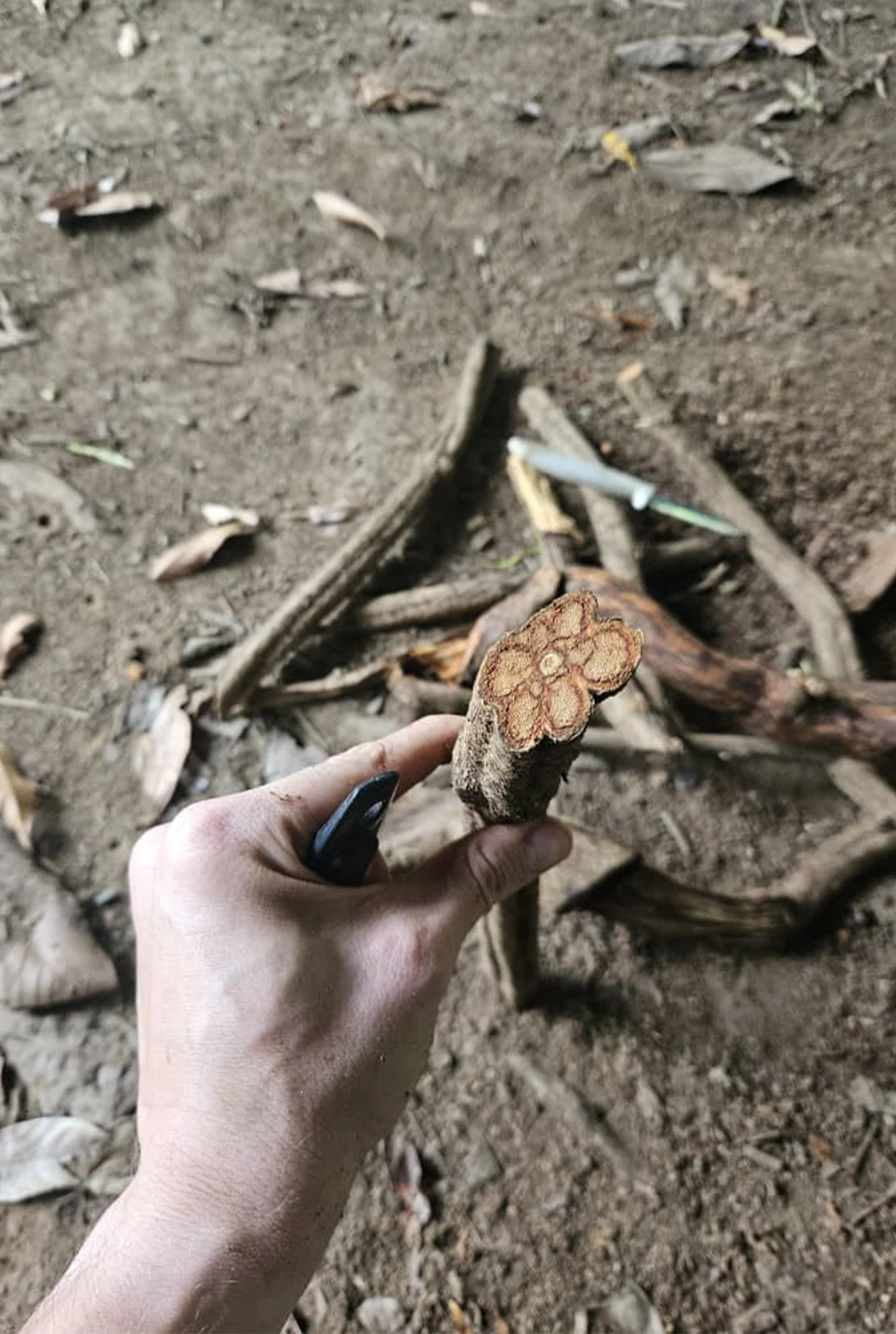
Yes. Yagé and ayahuasca refer to the same traditional Amazonian plant medicine, centered on the Banisteriopsis caapi vine.
What may vary between regions is the companion plant, preparation method, and ceremonial lineage, not the medicine itself.
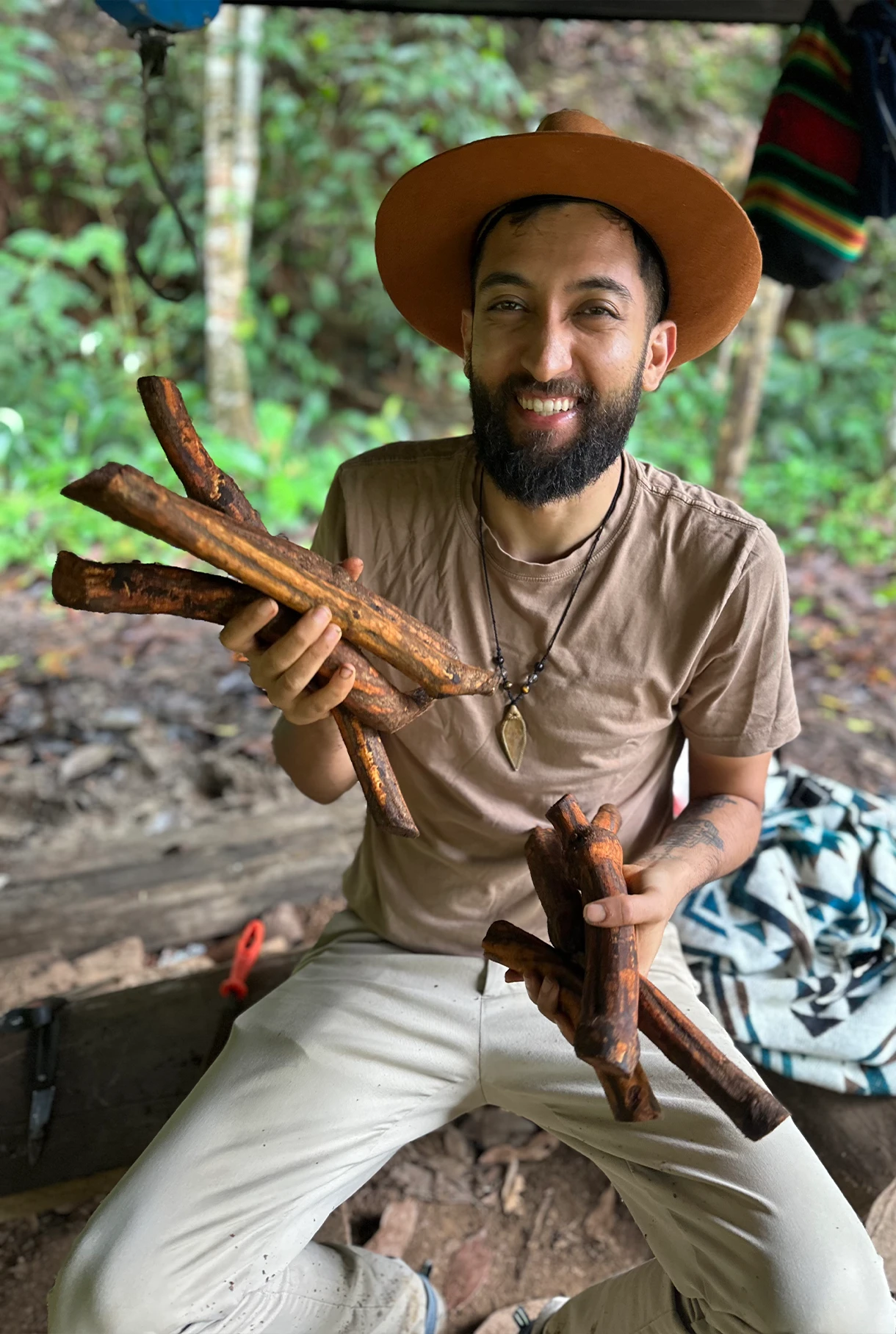
In Colombia, yagé ceremonies often work with Banisteriopsis caapi combined with companion plants such as chacruna (Psychotria viridis) or Chaliponga / Chagraponga (Diplopterys cabrerana).
In Peru, ayahuasca is most commonly prepared with chacruna. These companion plants are closely related Amazonian species that contain similar naturally occurring compounds, though their ceremonial expression and experiential qualities may differ.
Some traditions describe preparations using Chaliponga, used mostly in Colombia, as producing more vivid or visual experiences, while Chacruna-based brews may feel different in tone.
These variations reflect plant choice, preparation, and lineage, rather than a different medicine. Across regions, the core vine and the purpose of the work remain the same, even as expressions vary.
Why Is Ayahuasca Called Yagé in Colombia?
Ayahuasca is called yagé in Colombia because the name comes from the languages, cultures, and ancestral traditions of Indigenous peoples of the Colombian Amazon, particularly in regions such as Putumayo.
The term yagé reflects territory, lineage, and cultural identity, and has been preserved as part of Indigenous ceremonial practice.
Across the Amazon basin, different cultures use different names for the same medicine.
In Peru, the Quechua term ayahuasca is most widely used, while in Colombia, and in some parts of Ecuador and border regions, the term yagé is more common.
In Brazil, ayahuasca is the dominant term, though local naming may still vary depending on Indigenous language and tradition.
It is also important to understand that ayahuasca is not the only traditional name used by Indigenous peoples, even in regions where the term is now widespread.
Among Shipibo communities, the medicine is often referred to as Nishi. Other traditional names such as Ambiwaska or La Purga are also used in different cultural and ceremonial contexts.
Many of these names appear in ceremonial songs, prayers, and oral traditions.
As intercultural exchange increased and the medicine became more widely known beyond Indigenous territories, ayahuasca emerged as a shared reference term, while a diversity of Indigenous names and meanings continue to exist within living traditions.
Is There a Difference Between an Ayahuasca Ceremony and a Yagé Ceremony?
The medicine itself is the same. Ayahuasca and yagé contain the same core plant components and work with the same traditional Amazonian medicine. What differs is how ceremonies are held, which is shaped by Indigenous lineage, cultural tradition, and regional context.
In Peru, ceremonies are often held in complete darkness and are strongly centered around ícaros, the traditional medicine songs.
The ceremonial space is usually quiet and inward-focused, with the primary guidance coming through singing rather than movement or communal interaction.
In Brazil, ceremonies are often more music-centered and structured, with an emphasis on collective singing, rhythm, and sometimes movement. Music plays a central role in guiding the experience and shaping the ceremonial flow.
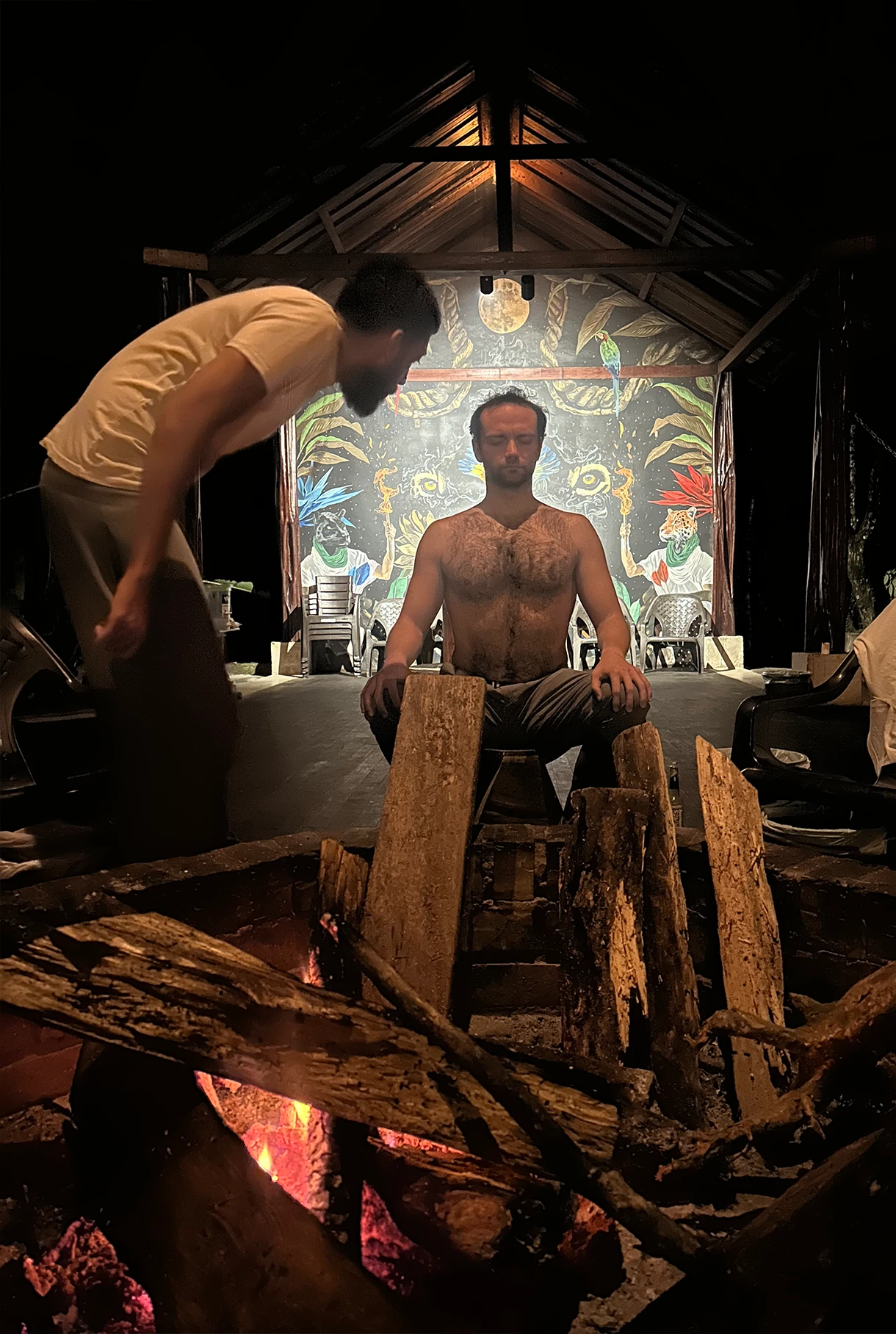
In Colombia, yagé ceremonies are often considered a middle ground between these two approaches. There is space for inward work in darkness, while a central fire is commonly present.
The fire is used for grounding, protection, prayer, and communal gathering. Participants may choose to sit close to the fire or move further into the darkness for privacy, allowing different ways of engaging with the ceremony.
Music in Colombian ceremonies often includes singing, harmonica, and the chacapa, alongside silence and prayer. Tobacco is considered sacred across all traditions and is used for cleansing, protection, and intention, though the form and ritual use may vary by lineage.
These differences reflect ceremonial expression rather than different medicines, allowing individuals to choose a setting that aligns with their temperament, intention, and relationship to the work.
What Are the Different Preparation Types of Ayahuasca (Crudo and Cooked)?
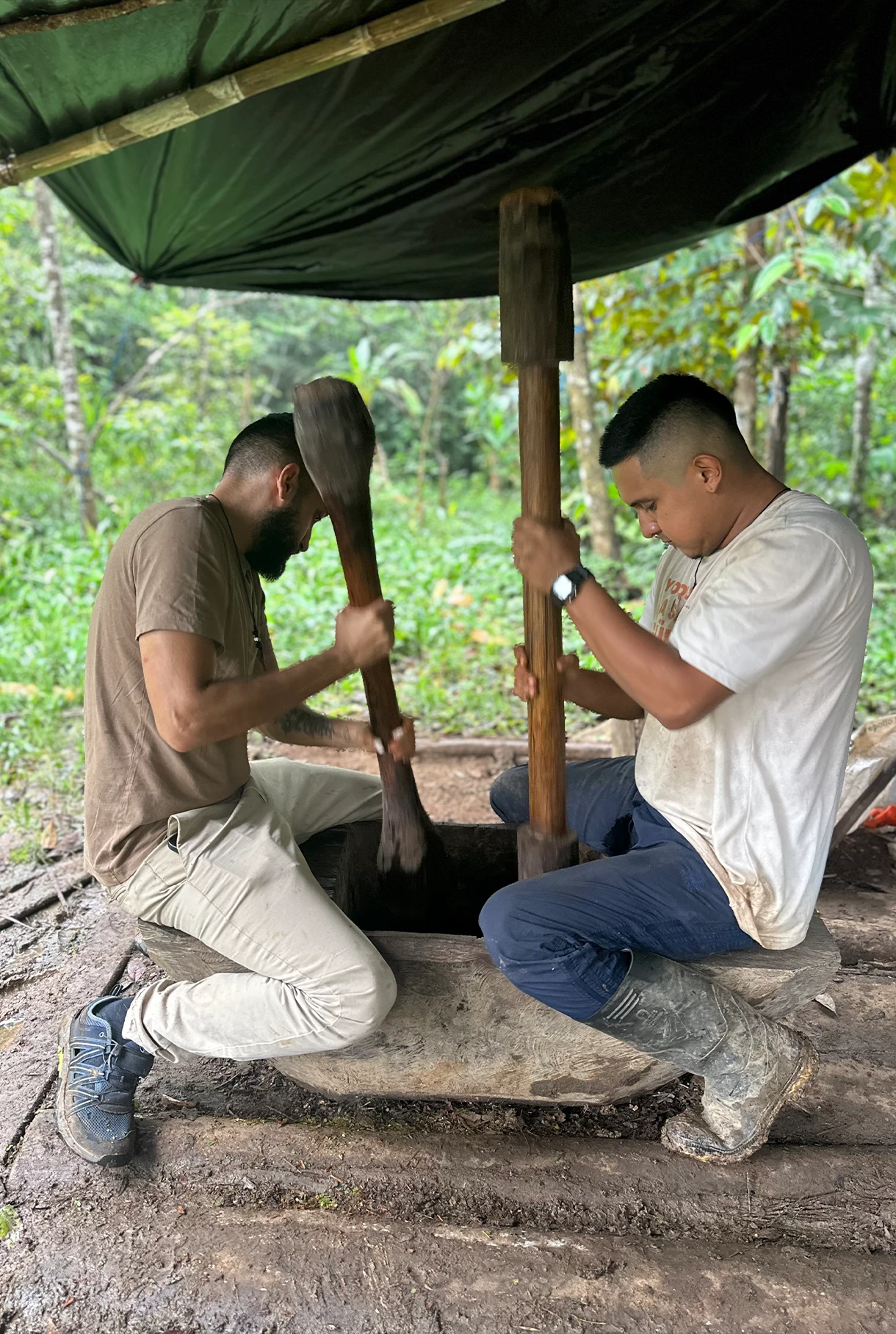
Ayahuasca is traditionally prepared in different ways, most commonly as cooked ayahuasca or Crudo ayahuasca, also known as a raw or cold-brew preparation.
These methods differ not only in technique, but also in how the medicine is experienced.
Cooked ayahuasca is prepared by slowly boiling the vine and companion plants over fire for many hours.
This method concentrates the brew and carries the energetic quality often associated with fire, transformation, intensity, and burning away what no longer serves.
Cooked ayahuasca is the most widely known form and represents the experience most people associate with ayahuasca.
Crudo ayahuasca is prepared using fresh plants with no heat or minimal heat, relying on a cold or raw extraction process rather than fire.
This preparation is often described as carrying the energetic quality of water, washing, cleansing, and gently moving through the system rather than burning.
Crudo is extremely rare, highly labor-intensive, and can only be prepared fresh in the Amazon rainforest, most commonly within certain Indigenous lineages in Colombia.
Because Crudo ayahuasca ferments quickly and cannot be stored or transported, it must be made and served fresh. This is one of the main reasons it is so uncommon outside the Amazon.
Crudo vs Cooked Ayahuasca (Comparison)
Aspect
Crudo Ayahuasca (Raw / Cold Brew)
Cooked Ayahuasca
Preparation
No fire
Slow boiling over fire
Energetic quality
Water, washing, cleansing
Fire, transformation, intensity
Freshness
Must be made and consumed fresh
Can be stored for longer
Labor required
Very high, requires more skill
Less labor-intensive
Taste
Mild, often like water or vegetable juice
Bitter, thick, often difficult to drink
Amount consumed
Larger volume
Smaller volume
Effect on the body
Generally lighter and easier on the system
Often heavier on digestion
Availability
Extremely rare, Amazon only
Common worldwide
Suitability for beginners
Often preferred by sensitive or nervous first-timers
Common but can feel intense
Which Preparation Is Better for Beginners?
There is no single answer that applies to everyone. However, many first-time participants and sensitive individuals find crudo ayahuasca easier to begin with, as it is generally lighter on the body, easier to drink, and less overwhelming at the physical level.
That said, crudo can also be prepared to be very strong when appropriate. The difference lies in how the medicine moves through the system, not its depth or potential.
Many experienced ayahuasca drinkers who later experience crudo report preferring it as their primary way of working with the medicine, simply because it feels cleaner, gentler, and more balanced.
Plant Choice and Crudo Preparation
In crudo preparations, Indigenous healers often work with specific types of chaliponga or related companion leaves that are naturally sweeter and easier to drink. This contributes to why crudo ayahuasca is often more palatable and physically accessible, especially for those new to the medicine.
Why This Matters ?
There are many forms of ayahuasca, but preparation method, freshness, and lineage are what truly shape the experience.
Crudo ayahuasca represents a rare, living expression of the medicine that can only be offered in the rainforest, while cooked ayahuasca remains a powerful and widely practiced tradition across the Amazon.
At our retreats, both preparations are available, allowing participants to work with the form that best aligns with their body, experience level, and intention.
Learn More About Crudo and Cooked Ayahuasca
Ayahuasca preparation is a deep and nuanced subject that cannot be fully understood through definitions alone. In the short video below, we share traditional perspectives on crudo and cooked ayahuasca, why freshness and lineage matter, and how preparation influences the way the medicine moves through the body.
This video introduces topics from the Ayahuasca Framework, including:
How ayahuasca is traditionally prepared
The difference between crudo and cooked medicine
Why plant freshness and lineage matter
How preparation shapes the experience
Get Free Access to the Ayahuasca Framework
The Ayahuasca Framework is a free educational video course designed to help you understand ayahuasca, its preparation, lineage, and ceremony, so you can decide whether working with the medicine is right for you.
Who Traditionally Works With Yagé in Colombia?
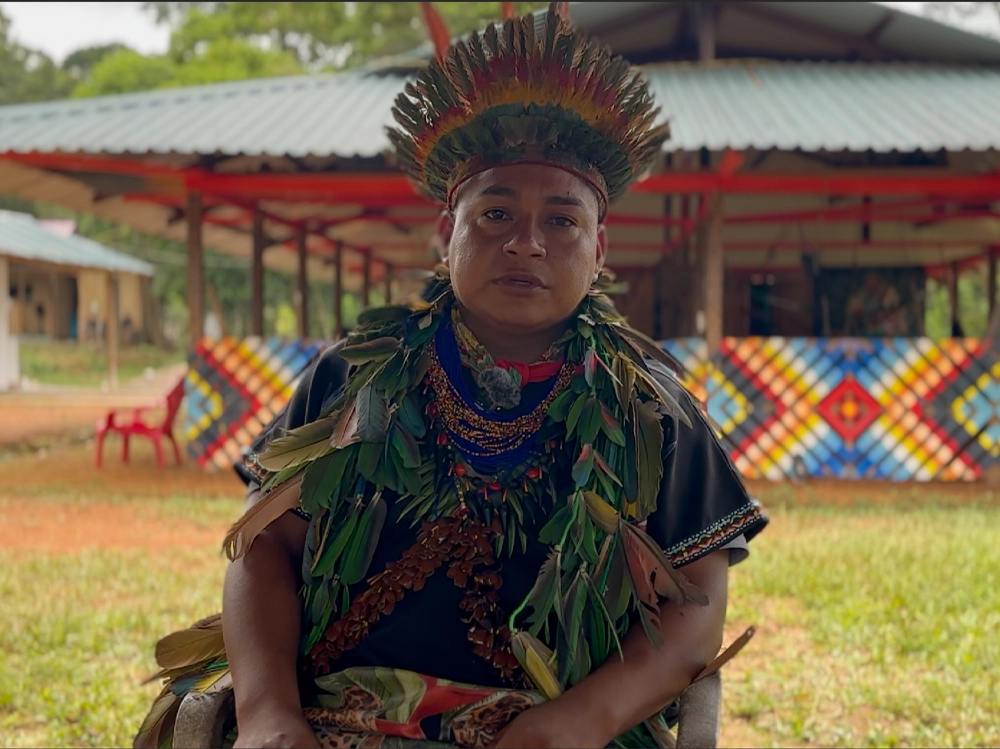
In Colombia, yagé is traditionally worked with by Indigenous masters, often referred to as Taitas. These elders are responsible for preparing the medicine, guiding ceremonies, and transmitting ancestral knowledge that has been preserved through generations.
Their role extends beyond facilitation and includes healing, teaching, and maintaining the spiritual relationship between the community, the plants, and the territory.
Yagé traditions in Colombia are most commonly associated with four primary Indigenous lineages: the Inga, Siona, Kamëntsá (Camsá), and Kofán peoples.
These traditions originate in the Amazonian regions of southern Colombia, particularly in areas such as Putumayo.
Knowledge is typically passed down through family lines or long apprenticeships, with learning taking place through direct experience, ceremony, and years of guidance rather than written instruction.
While ceremonial expressions, language, and music may vary between these lineages, the core principle remains the same.
Yagé is approached as a sacred medicine, guided by lineage, responsibility, and respect for the plants. Authentic traditions emphasize humility, preparation, and service to the community, rather than performance or individual identity.
Explore Mahadevi Ayahuasca Retreat in Colombia
For those called to experience ayahuasca in a traditional and grounded setting, Mahadevi offers retreats in the Colombian Amazon guided by Indigenous lineage and prepared fresh in the rainforest. Mahadevi is among the few retreats in Colombia where participants can work with both crudo and cooked ayahuasca, allowing each person to engage with the preparation that best aligns with their body, experience level, and intention, in a setting rooted in respect for the land, the plants, and the traditions that carry this medicine.
Trusted by Seekers: Real Ayahuasca Retreat Reviews
Read the honest experiences of those who found clarity and connection at Mahadevi. From the safety of our container to the depth of our integration support, discover why participants trust us with their journey.

An extraordinary and deeply rewarding journey. I’m so grateful my first experience was with MahaDevi, Ania and Yasha truly feel like family and created a space that felt like coming home.

Brante
My very first night of ceremony at MahaDevi was absolutely spectacular. Ania and Yasha created an unforgettable experience with breathtaking surroundings, incredible support, and powerful shamans. If you’re on the fence, don’t think twice, you won’t regret it.
Lester

My first retreat with MahaDevi in July 2025 was truly transformative. Yasha and Ania went above and beyond to create a safe, supportive space with exceptional medicine, nourishing meals, and personalized care. From seamless travel to powerful ceremonies and ongoing integration, I felt held every step of the way.