Is Ayahuasca Legal in New York?
Why New Yorkers Are Traveling to Colombia
From Manhattan and Brooklyn to Queens, Buffalo, and upstate New York, people are exploring ayahuasca as part of a search for personal growth, spiritual connection, and deeper self-understanding. But before booking a ceremony, many encounter the same question: Is ayahuasca legal in New York?
📚 Not ready to book? Start with the free Ayahuasca Framework video course — or explore the Ayahuasca Hub and Plant Medicine Hub for deeper reading.
Is Ayahuasca Legal in New York?
Ayahuasca is a traditional plant-based preparation that can contain DMT (N,N-Dimethyltryptamine), a Schedule I controlled substance under federal law. New York State also regulates DMT under its controlled-substance framework.
Consequently, the use, possession, distribution, and importation of ayahuasca can raise serious legal issues in New York. The exact legal consequences depend on the substance, conduct, and circumstances involved.
Some U.S. religious organizations have obtained legal protections to use ayahuasca as part of sincere religious practice. However, these protections are specific to the applicable legal circumstances and do not automatically extend to every organization, facilitator, or participant.
What New Yorkers Should Understand:
- Federal law still applies: DMT remains a Schedule I controlled substance under U.S. federal law.
- New York has its own controlled-substance laws: State law can create additional legal exposure, independently of federal enforcement.
- Religious exemptions are not automatic: The Religious Freedom Restoration Act (RFRA) does not grant every religious group an automatic exemption.
- Commercial ceremonies are not automatically protected: Describing a retreat as spiritual or therapeutic does not itself establish a legal exemption.
- Importation presents separate issues: Bringing ayahuasca or DMT-containing preparations into the U.S. raises additional federal legal concerns.
What About Ayahuasca Ceremonies in New York City?
New York City has a diverse spiritual and wellness community. Meditation groups, alternative healing communities, and people interested in psychedelic research have contributed to broader public conversations about consciousness and personal development.
However, interest in psychedelics does not mean that every psychedelic substance has been decriminalized or legalized. New York City's changing policies around certain other substances should not be interpreted as legal authorization for ayahuasca or DMT.
There is no general New York City exemption that makes ayahuasca ceremonies lawful simply because they occur in a private apartment, spiritual gathering, or wellness setting. The same distinction applies across the state in Brooklyn, Manhattan, or upstate New York.
The Underground Ayahuasca Scene: What New Yorkers Should Know
People who cannot find a retreat that meets their expectations may encounter private gatherings or underground ceremonies through personal referrals, online communities, or informal spiritual networks. Before considering an underground ceremony, understand the potential risks:
- Legal uncertainty: Organizers and participants may face legal exposure under applicable federal or state laws. Claims that a gathering is private or invitation-only do not remove exposure.
- Limited medical screening: Informal settings may not adequately assess psychiatric history, cardiovascular conditions, prescription medications, or contraindications.
- Unclear emergency procedures: Participants may not know whether trained medical assistance is available or how serious adverse reactions are handled.
- Variable facilitator experience: A person presenting themselves as a guide may not have the training, accountability, or cultural background they claim.
- Limited aftercare: Informal gatherings may not provide structured preparation, follow-up, or integration resources.
Why New Yorkers Travel to Colombia for Ayahuasca
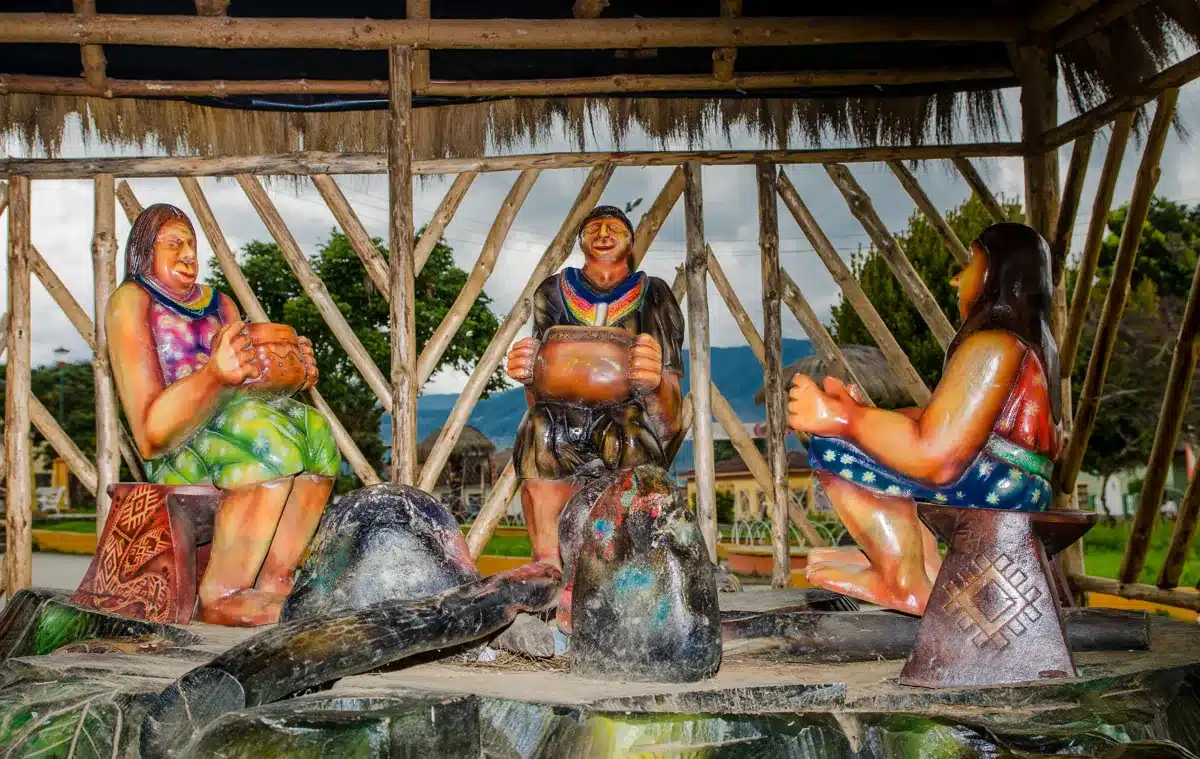
Colombia is home to longstanding Indigenous traditions involving Yagé, particularly in the Amazonian and Putumayo regions. These traditions are connected to Indigenous knowledge, community practices, and ceremonial approaches maintained across generations.
At MahaDevi, in Putumayo, Colombia, the retreat experience centers on Yagé ceremonies, Indigenous leadership, preparation, and integration. Rather than treating ayahuasca solely as a wellness product, this approach places the experience within a broader ceremonial and cultural setting.
New York vs. Colombia: How the Options Compare
Choosing an ayahuasca retreat involves more than finding a ceremony. The legal environment, cultural context, screening standards, and integration support all deserve careful consideration.
| Factor | Ayahuasca in New York | MahaDevi — Putumayo, Colombia |
|---|---|---|
| Legal Context | Federal & New York controlled-substance laws apply; limited protections in specific circumstances | Different national and regional framework; verify legal position of specific retreat |
| Religious Protections | No blanket exemption for churches, commercial retreats, or participants | Traditional Yagé practice within an Indigenous cultural context |
| Local Setting | Varies by organization and facilitator | Located in Putumayo, a region associated with Yagé traditions |
| Indigenous Leadership | Depends on the individual provider | Indigenous leadership is central to MahaDevi's stated approach |
| Preparation | Varies by provider | Participant preparation and screening are part of the retreat process |
| Ceremony Format | Varies by provider | Structured Yagé ceremonies within a multiday retreat |
| Integration | Depends on the organization | 90 days of integration support included |
| Duration | Varies | Seven nights, eight days |
| Travel | No international travel required | International travel to Colombia and onward transportation |
| Starting Price | Varies | From $3,850 USD, subject to current pricing |
Taita Miguel and the MahaDevi Team
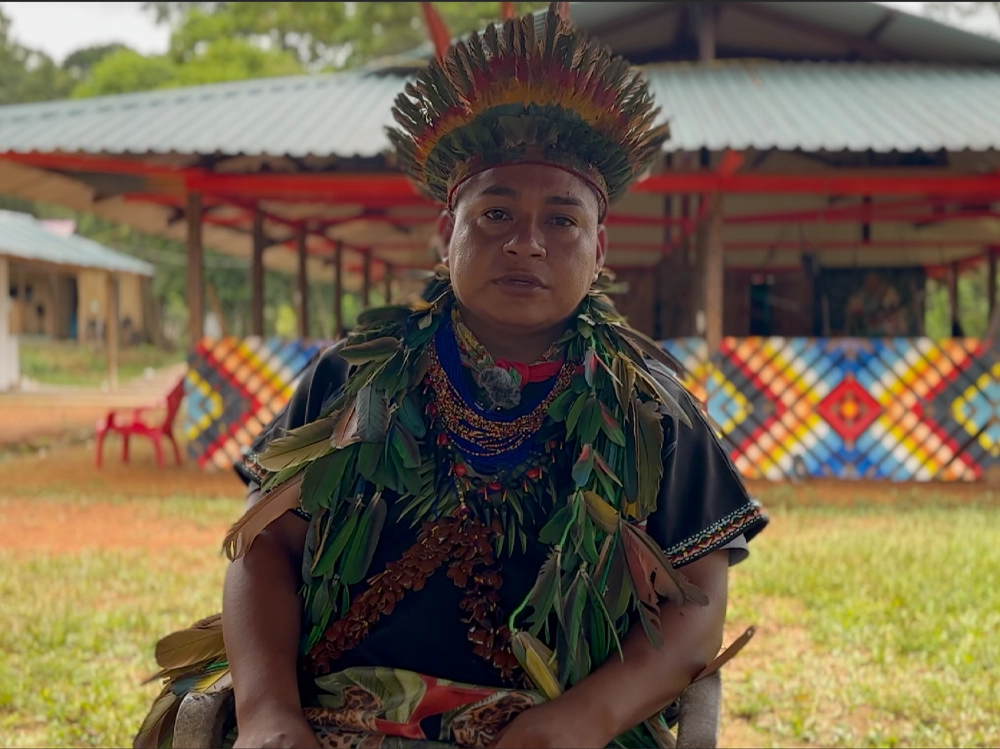
MahaDevi's ceremonies are led by Taita Miguel Mavisoy, a healer from the Camsá tribe in Putumayo whose lineage spans twelve unbroken generations. He was first introduced to Yagé at six months old by his parents — both respected healers — and was serving the medicine by age 14.
He is known internationally for his warmth, his genuine openness to people from all over the world, and the notably sweet taste of his brew.
Taita Miguel is supported by master healers from the Inga, Kofán, and Siona tribes, connecting participants to four distinct indigenous lineages of Putumayo. For every two participants, one dedicated team member is present throughout the retreat.
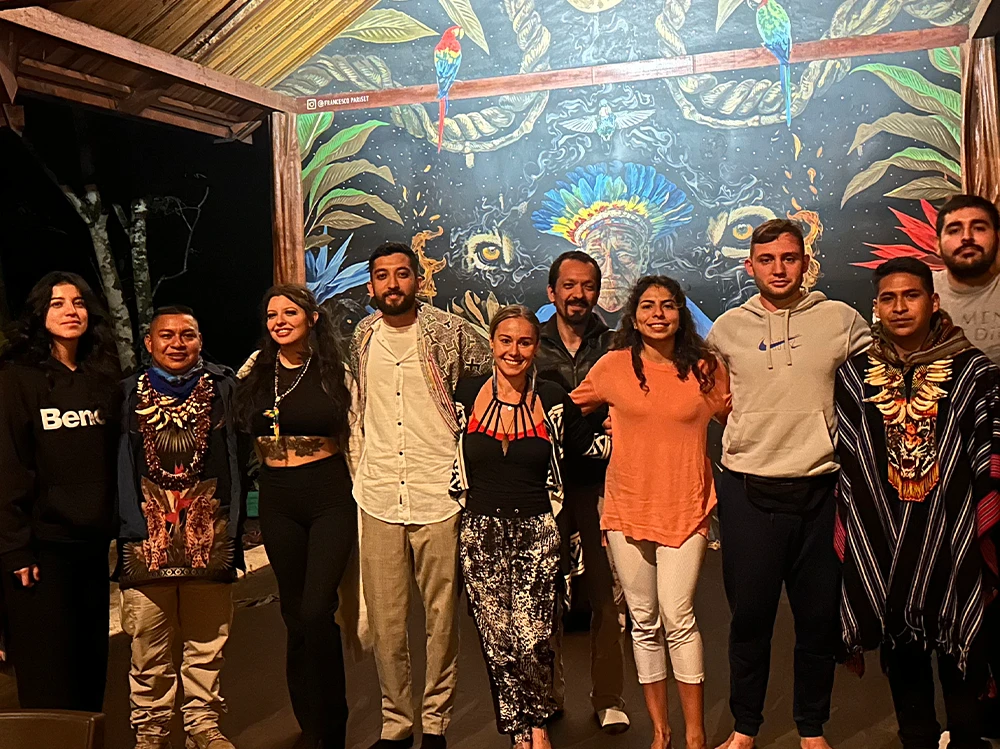
The MahaDevi team also includes facilitators with over 400 ceremonies of lived experience, ICEERS-trained integration support, and clinical psychologist advisors — the depth of indigenous tradition held within a modern safety framework.
A Team Built Around You
The MahaDevi team includes ICEERS-trained integration specialists, clinical psychologist advisors, and facilitators with over 400 ceremonies of lived experience — all working within Taita Miguel's traditional ceremonial framework.
Indigenous tradition and modern safety standards, working together.
Meet the Full TeamSafety and Medical Screening
MahaDevi requires comprehensive medical and psychiatric screening before any participant is accepted. Our medical considerations page covers contraindications in full. A trained facilitator is present throughout all ceremonies and Hospital José María Hernández is 30 minutes from the retreat.
Before the Retreat
14–30 days of structured preparation including group calls, breathwork, a personalized integration manual, and full medical screening.
During Ceremony
Trained facilitators present at all times. Hospital José María Hernández is 30 minutes from the retreat center.
After the Retreat
90 days of post-retreat integration, one-on-one psychologist sessions, group integration call, and ongoing community access.
What the Full Retreat Includes
MahaDevi's ayahuasca retreats are 7 nights and 8 days, with small groups of 7–12 participants. Everything is included from arrival to integration.
What a Real Ceremony Involves
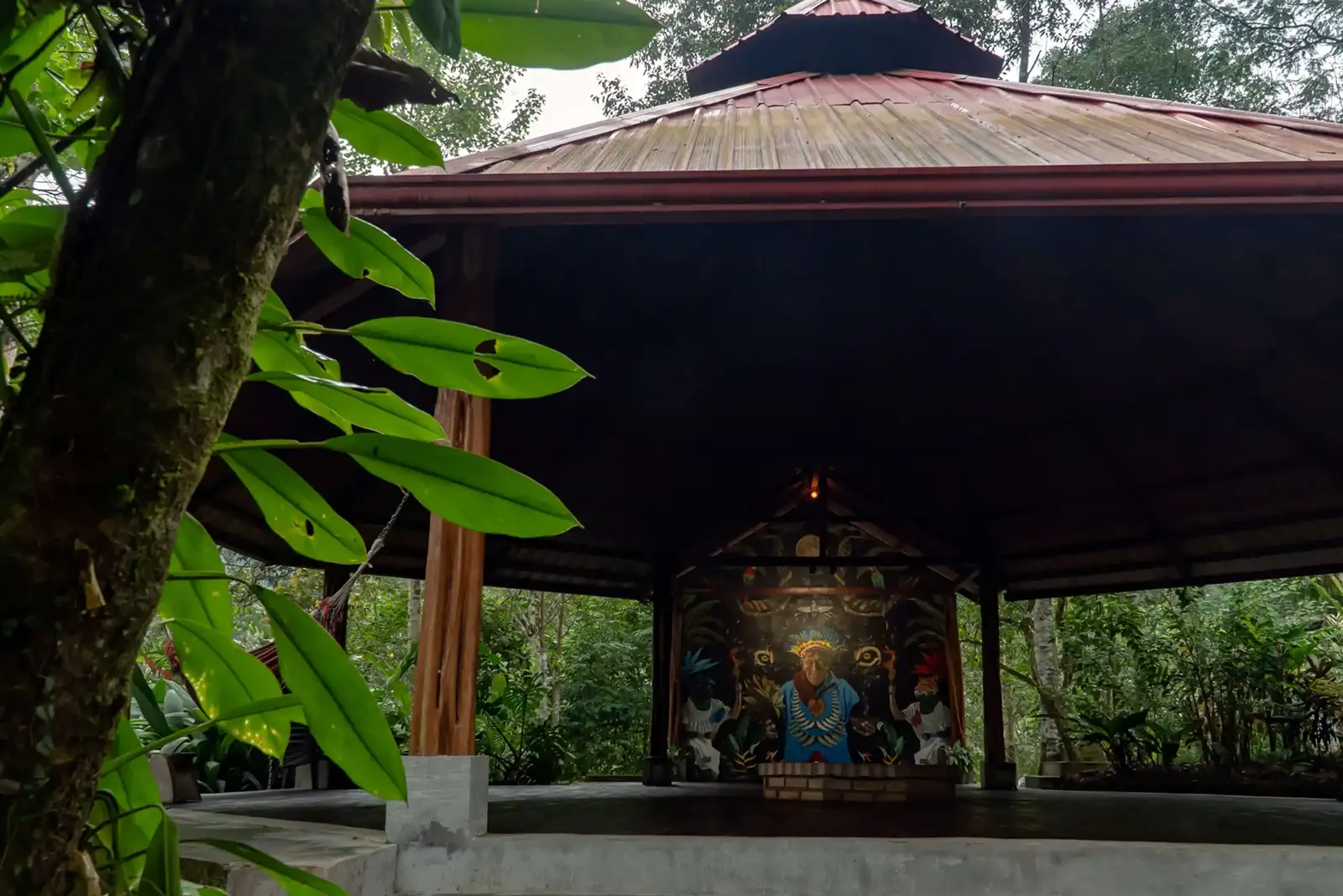
For New Yorkers who have encountered ayahuasca through retreat marketing or psychedelic conferences, it is worth being direct. In the Camsá tradition of Putumayo, ceremony is not a psychedelic session. It is a complete healing framework.
- 1Energetic CleansingMedicinal plant baths before the medicine is served to prepare the participant fully.
- 2Traditional PrayersPrayers and invocations by the Taita opening and holding the ceremonial space.
- 3Icaros — Healing SongsSung specifically for each participant throughout the night by the Taita.
- 4Consecrated SpaceThe ceremonial space held and protected by the healer from start to finish.
These elements are not atmosphere. They are the work. The Ayahuasca Hub and Plant Medicine Hub go deeper on what this tradition involves.
Getting to Putumayo from New York
Traveling from New York to Colombia can be straightforward with appropriate planning. New York City has major international air connections, including routes to Bogotá, although schedules and nonstop availability vary by date and airline.
A trip to Putumayo generally involves reaching a Colombian gateway, such as Bogotá, and arranging onward transportation toward the Mocoa area. MahaDevi handles airport pickup and in-country transportation upon arrival.
View Upcoming RetreatsFlight times to Bogotá gateway. MahaDevi handles all transfers from Mocoa.
Common Questions About Ayahuasca Retreats for New Yorkers
- Is ayahuasca legal in New York or NYC?
- No. Outside of narrow, federally recognized religious exemptions, ayahuasca containing DMT remains a Schedule I controlled substance under federal law and New York State controlled-substance statutes. Commercial wellness retreats, underground circles, and private NYC ceremonies operate without legal protection and carry real legal risk.
- Why do New Yorkers travel to Colombia for ayahuasca?
- New Yorkers travel to Colombia to experience yagé legally at its geographical source. Rather than attending underground New York sessions that rely on imported, reconstituted paste medicine, traveling to Colombia connects seekers to unbroken 12-generation indigenous lineages (such as the Camsá tribe), living plant medicine prepared fresh on-site, full clinical screening, and constitutional legal protections for indigenous ceremonial practice.
- Is ayahuasca legal in Colombia?
- Yes. Colombia’s constitutional framework explicitly protects traditional indigenous medical practice as cultural patrimony. Taita-led ceremonies and international retreats like MahaDevi operate in a fully legal, transparent environment without legal ambiguity or regulatory risk.
- What makes MahaDevi’s medicine different from underground options in New York?
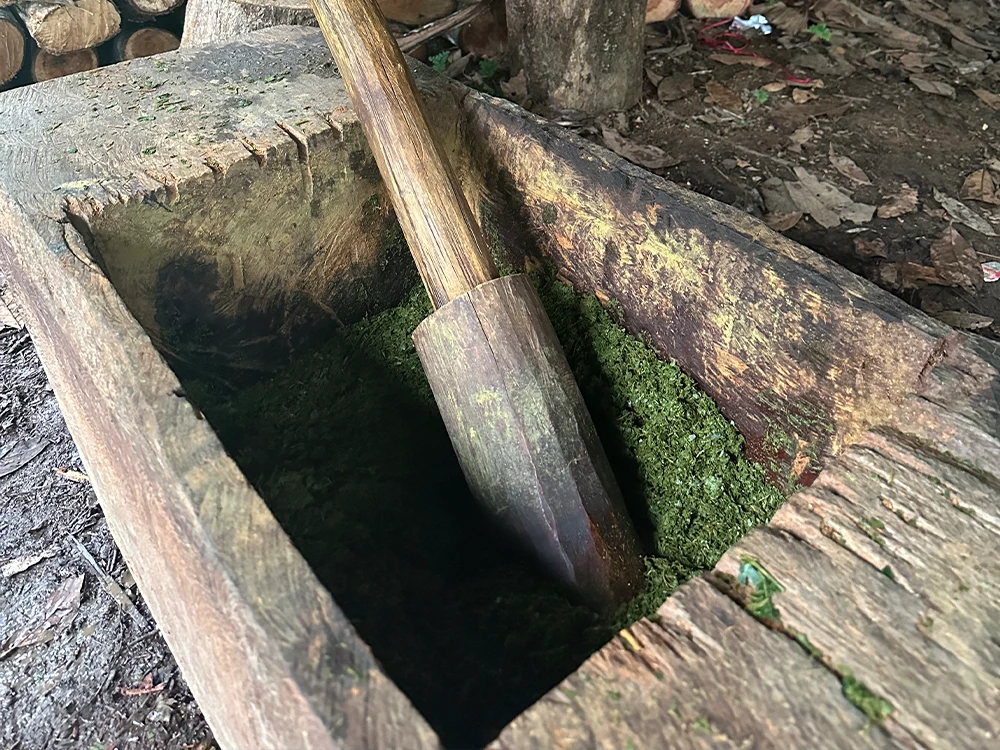
- Underground ceremonies in New York rely on medicine cooked months in advance, reduced to a dry paste, shipped across borders, and reconstituted with water. At MahaDevi, Taita Miguel Mavisoy grows and harvests fresh yagé on his own land in Putumayo for every specific retreat cohort. Guests also have access to Crudo—a rare, cold-brewed preparation scraped by hand without fire that ferments within days and cannot be transported, providing a clean, gentle entry that does not exist in New York.
- How much does a MahaDevi retreat cost, and what is included?
- MahaDevi retreats start from $3,850 USD for a 7-night, 8-day complete retreat container. The price includes private or shared jungle lodging with hot showers, all organic meals, two-way airport transfers, four traditional Yagé ceremonies (three at night and a Crudo day ceremony), the Fin del Mundo waterfall hike, pre-retreat preparation calls, and 90 days of structured post-retreat integration care with integration specialists.
- How many ceremonies are included in a retreat?
- Every 7-night/8-day retreat includes four traditional Yagé ceremonies led by Taita Miguel Mavisoy: three night ceremonies and a morning ceremony using cold-brew Crudo.
- Who should NOT take ayahuasca or yagé?
- Ayahuasca and yagé are not suitable or safe for everyone, and participation requires strict medical and psychiatric screening prior to ceremony. Absolute medical contraindications include current use of serotonergic medications (such as SSRIs, SNRIs, MAOIs, tricyclic antidepressants, and lithium) without an appropriate, medically supervised washout period, severe cardiovascular conditions, and a personal or immediate family history of schizophrenia, psychosis, active suicidal ideation, or bipolar disorder.
- What if I take prescription medications?
- Do NOT abruptly stop taking any prescribed medication without direct guidance from your prescribing physician. During MahaDevi’s screening process, our team evaluates all medications and coordinates appropriate, safe washout windows prior to arrival.
- Do I need prior experience with plant medicine?
- No. MahaDevi welcomes both first-timers and experienced participants. Our high 1:2 staff-to-guest ratio (capped at 7 to 12 participants per retreat) and gentler offerings like cold-brew Crudo ensure that first-time seekers receive continuous personal guidance and physical comfort throughout their journey.
Considering an Ayahuasca Retreat? Start with the Right Questions
If you are considering traveling from New York City or elsewhere in the state, review the retreat's current program, medical considerations, legal context, and travel arrangements before deciding whether it is right for you.
Medical Disclaimer: Ayahuasca is a powerful entheogenic medicine that requires thorough medical screening and qualified supervision. The information on this page is educational and does not constitute medical or legal advice. MahaDevi requires full medical screening of all participants prior to acceptance.