
Ayahuasca in Costa Rica vs Colombia: Tradition, Cost and What You Actually Get
Choosing an ayahuasca retreat involves more than deciding where to travel. The location, cultural traditions, retreat setting, cost, and level of support can all shape the experience. Costa Rica and Colombia are two destinations that attract people interested in ayahuasca, but each offers a different range of retreat options.
Costa Rica is known for its nature-focused wellness centers, comfortable accommodations, and organized retreat programs. Colombia has a long history of yagé ceremonies within Indigenous traditions, particularly in regions such as Putumayo. Understanding these differences can help you decide which destination better matches your interests, expectations, and budget.
This guide compares an ayahuasca retreat Costa Rica experience with retreats in Colombia, covering ceremony traditions, locations, costs, legal considerations, medical screening, and practical factors to consider before booking.
Short Answer: Costa Rica or Colombia?
Costa Rica may appeal to travelers who prefer wellness facilities, tropical surroundings, organized programs, and accommodations designed for international visitors. Some retreats offer private rooms, nutritious meals, integration sessions, and additional wellness activities.
Colombia may be worth exploring if you are interested in the cultural history of yagé and the Indigenous communities that maintain its ceremonial traditions. Retreats range from traditional settings to modern facilities, with different approaches to ceremonies, accommodation, and participant support.
Prices also vary. Based on the estimates used in this guide, a weeklong retreat in Costa Rica may cost approximately 2,500–8,500 or more, while Colombian retreats may range from $400 to $3,850 or more. These are indicative figures, not verified current prices, and actual costs depend on the provider and package.
Neither destination guarantees a safer or more meaningful experience. The quality of the organizers, medical screening, emergency arrangements, and aftercare matters more than the country alone.

Costa Rica vs. Colombia at a Glance
Factor | Colombia | Costa Rica |
Common terminology | Yagé and ayahuasca | Ayahuasca |
Ceremonial traditions | Includes Indigenous traditions associated with Camsá, Inga, Siona, and Cofán communities | May involve visiting South American practitioners, Western facilitators, or practitioners trained in different traditions |
Preparation methods | Vary by practitioner and community; some preparations use locally sourced plants | Depend on the retreat and the origin of the preparation |
Popular regions | Putumayo, the Sibundoy Valley, and areas around Medellín | Guanacaste, the Nicoya Peninsula, the Osa Peninsula, and the Central Pacific coast |
Typical format | Multi-day retreats or traditional ceremonies | Multi-day retreats at wellness centers, eco-lodges, or dedicated facilities |
Indicative cost | Approximately 400–3,850 or more | Approximately 2,500–8,500 or more |
Accommodation | Ranges from basic traditional settings to private cabins and modern facilities | Ranges from simple nature lodges to upscale wellness resorts |
Main considerations | Cultural context, practitioner experience, travel logistics, and access to medical care | Facilitator qualifications, screening procedures, accommodation, and the level of support provided |
May appeal to | Travelers interested in yagé traditions and a variety of retreat styles | Travelers interested in organized wellness programs and nature-focused accommodation |
Prices, facilities, group sizes, and ceremonial practices differ between individual providers. Always confirm what a retreat includes before making a booking.
Yagé vs. Ayahuasca: Understanding the Traditions
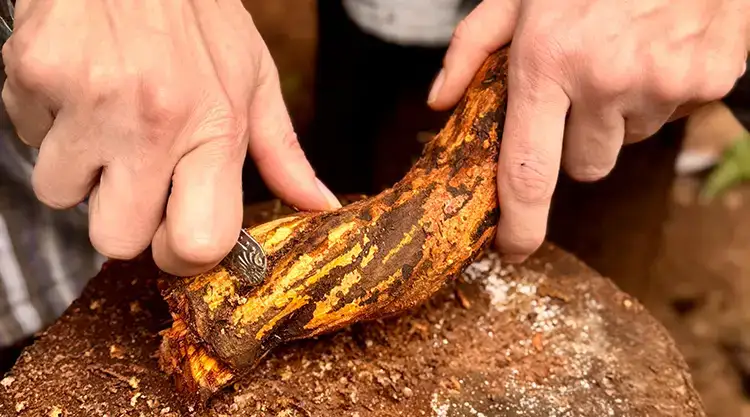
Ayahuasca is a plant-based preparation traditionally used in ceremonial and spiritual practices across parts of South America. The term yagé is commonly used in several Colombian traditions, particularly in the country’s southwestern Amazonian regions.
Although the names are sometimes used interchangeably, preparations and ceremonial practices can differ according to local traditions, plant ingredients, and the knowledge of individual practitioners.
Yagé in Colombia
In regions such as Putumayo and the Sibundoy Valley, yagé is associated with Indigenous ceremonial practices passed down through generations. Some practitioners work with locally available plants and follow traditions specific to their communities.
The preparation process, ingredients, and ceremony structure vary. Travelers interested in this aspect of Colombian culture should ask who prepares the medicine, which tradition the practitioner represents, and whether the retreat has a genuine relationship with the community it references.
Some providers may offer preparations described as crudo, referring to a method that does not follow the conventional prolonged boiling process. The term and preparation method should be explained by the practitioner, as practices are not necessarily standardized across regions or providers.
Ayahuasca in Costa Rica
Costa Rica’s retreat scene includes a variety of ceremonial approaches. Some centers invite practitioners from other South American countries, while others work with Western facilitators or people trained in multiple traditions.
The preparation used at a retreat may be sourced from outside Costa Rica, but this should not be assumed of every provider. Ask the organizers where the preparation comes from, who makes it, how it is stored, and how its composition is assessed.
Freshness alone does not establish that a preparation is safer or more appropriate for an individual. Its ingredients, strength, handling, and potential interactions with medications are important considerations regardless of the country of origin.
Lineage and Facilitation: Who Leads the Ceremonies?
The person leading a ceremony can have a significant influence on the retreat environment. Their training, experience, approach to participant care, and ability to respond to difficult situations are all important.
Indigenous traditions in Colombia
Some Colombian retreats work with Indigenous practitioners, often referred to as taitas in certain traditions. These practitioners may draw on community-specific knowledge, ceremonial practices, songs, prayers, and teachings.
However, Indigenous identity and ceremonial lineage should not be treated as automatic guarantees of competence or safety. Traditions differ, and claims about a practitioner’s ancestry, training, or number of generations in a lineage should be independently assessed where possible.
If cultural connection is important to you, ask whether the ceremonies are led by members of the community being represented, how the retreat works with local communities, and how cultural knowledge is respected.
Facilitation in Costa Rica
Costa Rica’s retreat landscape includes a mix of visiting South American practitioners, Western facilitators, and practitioners with experience across different ceremonial traditions.
Some centers operate in a wellness-resort format, combining ceremonies with accommodation, meals, preparation sessions, and post-retreat integration. Others follow different models.
When evaluating an ayahuasca retreat Costa Rica provider, ask about the lead facilitator’s training, the number of participants per ceremony, the availability of trained support staff, and the procedures in place if someone experiences a medical or psychological emergency.
Regardless of the setting, clear boundaries, informed consent, respectful treatment, and transparent communication should be basic expectations.
Retreat Locations: Colombia vs. Costa Rica
The surrounding environment is another factor to consider. Climate, transportation, accommodation, and distance from medical facilities can all affect the practical experience of attending a retreat.
Costa Rica: Guanacaste, Nicoya, and the Pacific Coast
Costa Rica has a well-developed tourism and wellness sector, with retreat facilities in coastal and nature-focused areas.
Commonly promoted regions include:
- Guanacaste: Known for its Pacific coastline, dry tropical landscapes, and established tourism infrastructure.
- Nicoya Peninsula: Offers beach communities, nature-oriented accommodation, and wellness-focused travel options.
- Osa Peninsula: Known for its rainforest environment and biodiversity.
- Central Pacific Coast: Provides access to coastal towns, forested areas, and tourism services.
Depending on the facility, a retreat may include private accommodation, prepared meals, shared gathering spaces, yoga areas, or additional wellness activities. These features are not available at every center, so review the actual accommodation and inclusions before booking.
Colombia: Putumayo, the Sibundoy Valley, and Medellín
Colombia offers several different settings for retreats and ceremonial experiences.
- Putumayo: Associated with yagé traditions and Indigenous communities in southwestern Colombia.
- Sibundoy Valley: An important area for learning about local cultural and ceremonial traditions.
- Medellín and Antioquia: Provide access to urban services and surrounding mountain landscapes, although individual retreat locations may be some distance from the city.
Accommodation ranges from traditional community settings to private cabins and modern retreat facilities. Travel conditions and access to healthcare can differ considerably between locations, especially in rural areas.
Before booking in either country, check transportation arrangements, road access, mobile connectivity, and the distance to the nearest appropriate emergency medical facility.
Cost and Infrastructure: What Does a Retreat Include?
The price of a retreat generally reflects more than the ceremony itself. Accommodation, meals, staffing, transportation, preparation sessions, integration support, and additional activities can all contribute to the total cost.
Indicative seven-day retreat costs
Expense category | Colombia | Costa Rica |
Indicative retreat price | 400–3,850+ | 2,500–8,500+ |
Accommodation | Varies from basic lodging to private facilities | Varies from simple lodges to upscale resorts |
Meals | Depends on the package | Depends on the package |
Preparation and integration | Provider-dependent | Provider-dependent |
Medical and emergency support | Must be confirmed with the provider | Must be confirmed with the provider |
Flights and local transportation | Often additional | Often additional |
These ranges are broad estimates and may not reflect current offerings. Compare the total cost of the complete trip rather than relying on the advertised retreat price alone.
What to consider when booking in Costa Rica
An ayahuasca retreat Costa Rica package may include resort-style accommodation, meals, group activities, and scheduled preparation or integration sessions. Some facilities advertise additional services such as massage, spa treatments, or yoga.
These amenities can make a stay more comfortable, but they do not establish the quality of the ceremonial leadership or the adequacy of medical safeguards.
Ask for a written breakdown of the package, including what is excluded, whether airport transfers are available, and whether emergency medical assistance is included or separately charged.
What to consider when booking in Colombia
Colombian retreats offer a broad range of prices and accommodation styles. Some are based in traditional settings, while others provide private rooms, organized meals, and structured support programs.
A lower advertised price does not necessarily mean a retreat offers less support, just as a higher price does not guarantee better care. Compare group sizes, staff qualifications, emergency arrangements, accommodation, and the details of any advertised aftercare program.
Also account for flights, local transportation, travel insurance, and any additional nights required before or after the retreat.
Legal Considerations and Safety Infrastructure
The legal status of ayahuasca-related activities can be complex. Traditional ceremonial practices, the ingredients in a preparation, commercial retreat operations, and the importation or transportation of substances may be treated differently under applicable laws.
Is ayahuasca legal in Costa Rica?
The legal position should be assessed using current Costa Rican law and the specific circumstances of the retreat. A center operating publicly or advertising ceremonies does not, by itself, establish that every aspect of its activities is legally authorized.
Before booking, ask the operator about its business registration, applicable permits, and the legal basis for the activities it offers. For a definitive answer about legality, consult a qualified local legal professional or the relevant authorities.
What about Colombia?
Colombia has a distinct cultural and legal context for Indigenous ceremonial uses of yagé. However, this should not be interpreted as blanket authorization for every commercial retreat, preparation, or related activity.
The legal position may depend on the circumstances, the people involved, and the nature of the activity. Travelers should verify current requirements before attending a ceremony or transporting any plant preparation across borders.
What safety measures should a retreat provide?
In either country, ask the provider to explain:
- How medical and psychiatric screening is conducted.
- Who is responsible for participant care during ceremonies.
- Whether staff have relevant first-aid or emergency-response training.
- How the retreat handles medical or psychological emergencies.
- Which hospital or medical facility would be used if urgent care were needed.
- What follow-up support is available after the retreat.
Do not assume that a retreat has licensed medical staff, formal emergency agreements, or adequate insurance unless these details have been confirmed.
Contraindications and Medical Screening
Ayahuasca can cause significant physical and psychological effects. Its constituents may interact with prescription medications and other substances, and certain health conditions can increase the risk of serious complications.
Medical screening is therefore an important part of evaluating any retreat.
Medication interactions
Ayahuasca contains compounds that affect monoamine oxidase activity, along with other pharmacologically active substances. Interactions can be serious, particularly with certain psychiatric medications, stimulants, and other drugs.
Medication categories that require particular attention include:
- Selective serotonin reuptake inhibitors (SSRIs) and serotonin-norepinephrine reuptake inhibitors (SNRIs).
- Monoamine oxidase inhibitors (MAOIs) and tricyclic antidepressants (TCAs).
- Other psychiatric medications, including lithium and trazodone.
- Stimulants and recreational substances, including MDMA, cocaine, and amphetamines.
- Tramadol and other medications that may increase interaction risks.
This is not an exhaustive list, and the level of risk varies by substance and individual circumstances. Do not stop, taper, or change prescribed medication to attend a retreat without guidance from your prescribing clinician. A retreat organizer’s medication instructions are not a substitute for individualized medical advice.
Health conditions requiring assessment
A qualified healthcare professional should assess relevant medical and psychiatric history before participation. Particular concerns may include:
- Cardiovascular disease, uncontrolled high blood pressure, or significant heart rhythm problems.
- A personal history of psychosis or certain serious psychiatric conditions.
- A relevant family history of psychotic disorders or bipolar disorder.
- Pregnancy or breastfeeding.
- Significant liver or kidney disease.
- Other conditions or medications that could increase the risk of complications.
The presence of a particular condition does not mean every situation carries identical risk. Eligibility should be determined through individualized clinical assessment, not a general online checklist.
Questions to ask about screening
Before paying a deposit, find out whether the retreat:
- Collects a detailed medical and psychiatric history before arrival.
- Reviews current medications and relevant substance use.
- Has clear procedures for identifying people who should not participate.
- Explains foreseeable risks and obtains informed consent.
- Has a practical plan for medical emergencies and access to professional care.
Be cautious of providers that minimize medication interactions, promise that a ceremony is risk-free, or encourage you to disregard advice from your healthcare professional.
How to Choose the Right Retreat
The best way to compare destinations is to focus on your needs and the quality of the individual provider rather than relying on broad claims about an entire country.
Travel and accommodation
If convenient flights, established tourism services, and resort-style accommodation are priorities, Costa Rica may be worth exploring. However, the actual travel time depends on your departure city, connections, and the retreat’s location.
If you are interested in Colombian cultural traditions, you may prefer to investigate providers in regions associated with yagé. Keep in mind that some locations require additional domestic travel and may have more limited access to services.
Cultural context and ceremonial practices
Ask what tradition the retreat follows, who leads the ceremonies, and how the provider describes its relationship with local communities.
Look for specific, transparent answers rather than relying on broad marketing phrases such as “ancient lineage” or “authentic medicine.” No single ceremonial model is appropriate for every person, and cultural claims should be treated with respect and care.
Group size and individual support
Smaller groups may allow for more individual attention, but group size alone does not determine the quality of care. Ask how many trained staff are present, whether support is available throughout the retreat, and how the team responds if a participant needs additional assistance.
Also clarify whether integration support is included, how long it lasts, and whether it is delivered by appropriately qualified professionals.
Budget and total trip cost
Compare the full cost of the experience, including:
- Retreat accommodation and meals.
- International and domestic flights.
- Airport transfers and local transportation.
- Travel insurance and any additional lodging.
- Preparation sessions and integration support.
- Any extra fees or cancellation charges.
Choose a program based on what it actually provides rather than assuming that a premium price indicates superior care or that a lower price indicates a more traditional experience.
A practical checklist before booking
Use the following checklist when evaluating a retreat in either country.
- The organizer clearly identifies the facilitators and their relevant experience.
- Medical and psychiatric screening takes place before arrival.
- Medication interactions and contraindications are addressed responsibly.
- Emergency procedures and access to medical care are clearly explained.
- Accommodation, meals, transportation, and additional fees are disclosed.
- The provider explains the ceremonial tradition and the origin of the preparation.
- Participation is voluntary, and informed consent is respected.
- Post-retreat support and integration options are explained.
- Legal requirements have been checked rather than assumed.
Frequently Asked Questions
Is an ayahuasca retreat in Costa Rica legal?
The answer depends on the applicable laws and the circumstances of the activity. A retreat’s public presence or business registration does not automatically establish that its ceremonies and preparations are legally authorized. Check current local requirements with a qualified legal professional or relevant authority before booking.
What is the difference between yagé in Colombia and ayahuasca in Costa Rica?
Yagé is a term commonly used in several Colombian traditions, while ayahuasca is widely used internationally. Ingredients, preparation methods, and ceremonial practices can differ between communities and providers. The country alone does not determine what preparation will be used, so ask each retreat for specific information.
Why can retreats in Costa Rica cost more?
Some Costa Rican retreats operate in upscale wellness facilities with private accommodation, extensive amenities, prepared meals, and organized guest services. These features can increase the price. However, costs vary widely, and a higher price does not necessarily indicate better facilitation or stronger safety procedures.
Can a beginner attend a retreat in Colombia?
Some providers accept first-time participants, but being a beginner does not remove the medical or psychological risks. Preparation methods should not be assumed to be gentler or safer based on labels such as crudo. Anyone considering participation should seek qualified medical advice and carefully assess the provider’s screening and support arrangements.
Does Costa Rica offer traditional Indigenous ceremonies?
Retreats in Costa Rica may work with visiting practitioners from South American traditions or with facilitators trained in different ceremonial approaches. The setting of a retreat does not, by itself, establish its cultural lineage. Ask who leads the ceremonies, where they trained, and how the tradition is represented.
What should I look for in a reputable retreat?
Look for transparent information about facilitators, medical screening, medication interactions, emergency arrangements, group size, informed consent, and post-retreat support. Be cautious of guarantees of healing, claims of zero risk, pressure to book quickly, or advice to ignore professional medical guidance.
What should I budget for a weeklong retreat?
The indicative ranges in this guide are approximately 2,500–8,500 or more in Costa Rica and 400–3,850 or more in Colombia. These are broad estimates, not verified current quotes. Request a detailed price breakdown and confirm what is included before making travel arrangements.
Conclusion
Costa Rica and Colombia offer different settings for people researching ayahuasca retreats. Costa Rica has a range of nature-focused wellness facilities and organized retreat programs, while Colombia has a long-standing cultural context for yagé ceremonies within several Indigenous traditions.
The right choice depends on your interests, budget, accommodation preferences, travel arrangements, and the quality of the individual provider. Neither destination should be considered inherently safer, more authentic, or more effective based on location alone.
If you are considering an ayahuasca retreat Costa Rica program or a retreat in Colombia, take time to research the facilitators, verify the legal and practical details, consult a qualified healthcare professional about personal risks, and understand the emergency and aftercare arrangements.
A careful decision starts with clear information, realistic expectations, and a commitment to your health and well-being.
