| What it is | A brew, not a single plant |
| Active compound | DMT (dimethyltryptamine), made orally active by MAOI alkaloids in the vine |
| Duration | 4 to 6 hours (sometimes longer) |
| Primary traditions | Colombian, Peruvian, Brazilian, Ecuadorian Amazonian |
| US legal status | Schedule I controlled substance; narrow religious exemptions apply |
| Factor | Colombia (Yagé) | Peru (Ayahuasca) | Brazil (Daime/Vegetal) |
| Admixture plant | Diplopterys cabrerana (chagropanga) | Psychotria viridis (chacruna) | Psychotria viridis |
| Healer title | Taita | Curandero / Onanya | Mestre / Guia |
| Ceremony instrument | Harmonica, copal, tobacco | Icaros (sacred songs) | Hymns (hinários) |
| Legal status | Legal, culturally protected | Legal, cultural heritage | Legal since 1987 |
How to Say It, Spell It, and Understand What It Means
64,000 people a month search for ayahuasca using a spelling that is not quite right. Every one of them is looking for the same thing. How to pronounce ayahuasca: Ah-yah-WAHS-kah. Four syllables. The “hu” is silent, not “hoo.” In Colombia, the same medicine is called yagé (yah-HEH) or yajé. Common alternate spellings include iowaska, ayawaska, ayahuascha (common in German and Polish-speaking countries), and the phonetic Polish form ajalaska. All of these refer to the same sacred brew. If you arrived here searching for iowaska, ayawaska, ayahuascha, or ajalaska, you are in the right place. The word itself comes from Quechua, the language of the Andean highlands. Aya means spirit or ancestor. Waska means vine. The vine of the soul. The vine of the dead. Both translations exist, both are accurate, and together they say something true about what this medicine is used for: contact with something that runs deeper than ordinary waking life. Across the Amazon basin the same brew travels under many regional names: yagé and yajé in Colombia and Ecuador; natema among the Shuar; daime and hoasca in Brazil; caapi among Tupi-Guarani peoples. Each name carries its own tradition. The pharmacology is the same. The worlds it opens are related but not identical.Ayahuasca and Yagé: The Same Medicine, Different Names
The medicine has one pharmacological engine and dozens of names, each carrying its own tradition. The word ayahuasca comes from Quechua: aya meaning spirit or ancestor, and waska meaning vine. But walk north into Colombia and the same medicine becomes yagé or yaje. Cross into Ecuador and the Shuar call it natema. Step into a Brazilian church and it is daime or vegetal. Each name is a doorway into a different world, a different history, a different set of relationships between people, land, and plant.
Ayahuasca Yagé in Colombia: Mocoa and the Putumayo
The Putumayo is not a location on a map. It is the ancestral ground of the yagé tradition. If there is a center of gravity for the yagé world, it sits somewhere in the Colombian Putumayo. The department stretches from the Andean foothills down into the lower Amazon basin, and it holds within it a density of indigenous yagé-using peoples that has no parallel anywhere on the continent: Inga, Kamsá, Siona, Cofán, Coreguaje, all within a few hours of each other, all carrying distinct ceremonial traditions refined across centuries.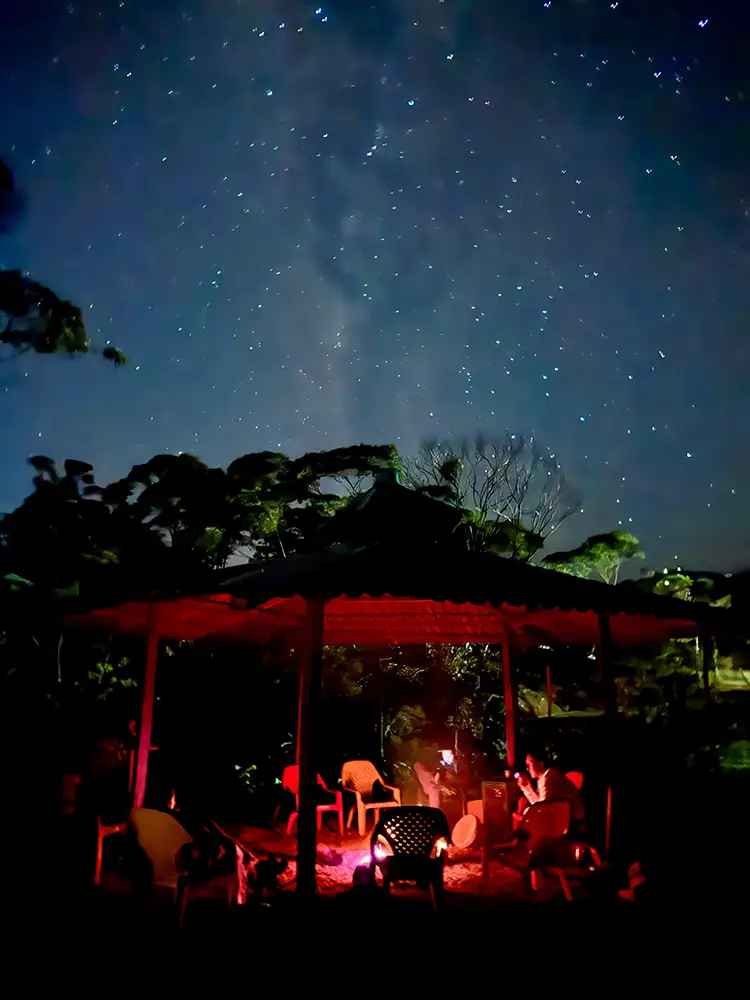
Ayahuasca in Peru
Vegetalismo built a whole pedagogy around the idea that plants teach. Shipibo healers built a whole science around icaros. Peru is where most Westerners first encounter ayahuasca, and it is also where two of the most distinct ayahuasca traditions in the world have developed alongside each other for centuries. Vegetalismo is the mestizo shamanic practice concentrated around the cities of Iquitos and Pucallpa in the Peruvian Amazon. Its healers, called vegetalistas or curanderos, train by entering into relationship with specific plants through the dieta, long periods of isolation and dietary restriction during which plant spirits are understood to transmit knowledge directly. Luna’s 1984 paper was the first academic treatment to take this epistemology seriously, documenting the phrase la purga misma te enseña, the purgative itself teaches you, as the tradition’s core claim about how learning works [36]. The plant is not just the vehicle. The plant is the teacher. The Shipibo-Conibo tradition runs deeper and older. Shipibo onanyabo (master healers) do not improvise in ceremony. They sing icaros, sacred medicine songs received from plant spirits during years of dieta, each song calibrated to a specific condition, a specific energetic state, a specific person. The ceremony is not ambient. It is diagnostic. The healer reads the room through song and adjusts in real time. A 2021 observational study documented Shipibo-led ceremonies producing significant long-term improvements in psychological well-being across all measured scales at all time points [24]. That is what precision looks like. Peru declared ayahuasca a national cultural heritage in 2008. It submitted a reservation for traditional plant use when signing the 1971 UN Convention. These are legal gestures, but they point at something real: a country that has decided this medicine is part of what it is.Ayahuasca in Brazil
Brazil did not just tolerate ayahuasca. It made it a model for the world. The story of ayahuasca in Brazil begins with a rubber-tapper from the state of Acre, a man named Raimundo Irineu Serra, who in the early 1930s received what he understood to be a vision from the Rainha da Floresta, the Queen of the Forest, instructing him to found a new spiritual community built around the medicine he had encountered in Amazonian indigenous use. He called what he founded Santo Daime. The name means, roughly, give me. What Irineu Serra created was something genuinely new: a syncretic tradition that brought together the pharmacological core of indigenous vegetalismo with Afro-Brazilian spiritual practices, Catholic imagery, and the hymnody of Brazilian popular devotion. Participants in Santo Daime ceremonies stand in formation, men on one side, women on the other, and sing prescribed hymns called hinários for hours while drinking daime, the brew. The music is not accompaniment. The music is the structure the ceremony moves through. Two other traditions grew in parallel. The União do Vegetal (UDV), founded in 1961 by José Gabriel da Costa in the state of Rondônia, built its practice around a more contemplative approach: participants sit in silence between periods of guided meditation, drinking hoasca within a framework that draws on spiritist and esoteric Catholic influences. The Barquinha, founded in 1945 in Acre, is the smallest of the three, combining Afro-Brazilian spiritual elements with Christian practice in ways that are distinct from both Santo Daime and UDV [33]. What Brazil did with these traditions is remarkable by any international standard. In 1987, following an anthropological review, the federal agency CONFEN removed ayahuasca from the banned substances list entirely. That decision was formalized and deepened in 2010, when CONAD Resolution No. 1 officially ratified the legitimacy of religious ayahuasca use, established ten ethical principles for ceremonial practice, and mandated compliance across all public administration bodies [11]. Ayahuasca is legal in Brazil. Not in a grey area. Not under a narrow exemption. Legal, regulated, respected. The reverberations of that decision have traveled far. When the União do Vegetal in the United States went to the Supreme Court in 2006 to fight for their right to use hoasca in ceremony, they won. When courts in the Netherlands, Spain, and elsewhere have been asked to consider similar questions, Brazil’s regulatory model has been cited as evidence that a thoughtful, principled approach to governance of these medicines is possible [32]. What began in Acre with a rubber-tapper’s vision has become, in its way, a legal template for the world.Ayahuasca in Ecuador
The Shuar call it natema. The Cofán call it yajé. The plants and the vine know no borders. Ecuador sits at a geographic crossroads of the ayahuasca world. Its Amazon basin connects to both the Colombian Putumayo traditions to the north and the Peruvian vegetalismo traditions to the south, and the country’s indigenous ayahuasca-using peoples have developed in relationship with both. The Shuar (Jivaroan) of the Ecuadorian lowlands call the medicine natema and have used it within an elaborate shamanic system focused on the acquisition and defense of arutam power, spiritual force transmitted through visionary experience that is understood to protect against violence and misfortune. The Shuar relationship to the medicine is specifically about power and its management, a framework quite different from the Colombian emphasis on community healing or the Peruvian emphasis on the healer’s diagnostic function. The Colombia-Ecuador borderlands are also Cofán and Siona territory, and the yajé traditions of these peoples cross the political border without interruption. Shared lineages, shared songs, shared botanical knowledge. What maps call two countries, the medicine does not recognize [60]. As in Colombia, the admixture plant used in Ecuadorian preparations is primarily Diplopterys cabrerana rather than Psychotria viridis, producing the distinctly different alkaloid profiles and ceremonial characteristics associated with the northern traditions [4]. The globalization of ayahuasca has brought urgent questions to Ecuador about intellectual property, biopiracy, and what it means when a tradition becomes a commodity [58].The Colombian Tribes: Inga, Kamsa, Kofan, Siona
These are not four separate traditions arranged around the same brew. They are four distinct cosmological systems that share a plant. They live within a few hours of each other in the Colombian southwest, their territories overlapping in the Putumayo lowlands and the Sibundoy Valley, and yet they are not the same people with the same practice. They are different nations with different languages, different cosmologies, and different understandings of what yagé is and what the ceremony does.
Peruvian and Amazonian Tribes: Shipibo, Yawanawa, and Others
The Shipibo did not just use ayahuasca. They built a whole system of diagnosis, treatment, and knowledge transmission around it. Walk into a Shipibo ceremony and you will notice, eventually, that the healer is not just singing. She is reading. The icaros she sings are not a playlist. They are a real-time response to what she perceives in the room: the energetic state of each participant, where the medicine is moving, what needs to be addressed. The onanyabo (master healer) receives these songs through years of dieta with specific plant teachers, each plant transmitting its own repertoire, its own range of treatment. The healing system is structured, cumulative, and precise [24, 37]. This is why working with an authentic Shipibo healer is a different experience from working with someone who has learned a few icaros from YouTube. The songs only work when they come from the relationship that generated them. The Yawanawa of Acre, Brazil, were nearly destroyed by rubber extraction and forced assimilation in the twentieth century. Their revival since the 1990s has been remarkable: a strategic building of alliances with Santo Daime, with urban non-indigenous Brazilians, with international visitors, using ayahuasca alongside rapé, sananga, and other forest medicines as the medium through which cultural knowledge passes from elders to younger generations and from the Amazon to the wider world [15]. The Huni Kuin (Kaxinawa), Ashaninka, and the Tukano peoples of the northwest Amazon each hold distinct ayahuasca traditions. Among the Desana, a Tukanoan people of the Colombian Vaupés, the anthropologist Gerardo Reichel-Dolmatoff documented in the 1970s something that challenges every reductive account of what yajé is: the visions are not random. They are a culturally encoded symbolic system through which shamans negotiate energy flows between humans, animals, and supernatural forces. The medicine, in this cosmology, is the epistemological engine of ecological and social regulation (Reichel-Dolmatoff, 1971). The ceremony is governance.The Healer, the Taita, and the Icaros
The brew does not conduct itself. The healer is the container, the diagnostician, and the guide. A title is not a credential. In Colombia the word taita means father, and it carries specific weight: it is not self-assigned but conferred by a community that recognizes years of training, demonstrated healing ability, and accountability to tradition. In Peru, curandero or Shipibo onanya points to a similar thing: someone who has done the work and been recognized for it. In Brazil the mestre or guia has trained within a lineage structure that includes both pharmacological knowledge and spiritual responsibility. These titles are not interchangeable and they are not for sale. What the training involves is, in every case, long and serious. Among the Inga and Kamsá, initiation unfolds over years, successive yagé experiences under senior taita guidance building a body of visionary knowledge that cannot be rushed [48]. Among the Shipibo, the primary pedagogy is the dieta: periods of isolation, dietary restriction, and sexual abstinence during which the healer lives alone with specific plant teachers and receives icaros directly from plant spirits. Berlowitz et al. [3] documented, through interviews with sixteen Peruvian healers, that the dieta is actually more commonly practiced than ayahuasca alone in remote Amazonian communities. The dieta is not preparation for the real work. The dieta is the real work. The icaros are the healer’s primary instrument in ceremony. They are not decoration and not atmosphere. Dobkin de Rios and Katz [17] were the first to document systematically what everyone present in a ceremony can feel: the healer’s whistled or sung icaros directly shape and direct the psychedelic experience. Faster incantations move people deeper; slower melodies stabilize and guide. In a 2023 study at the Takiwasi Center in Peru, every single rehabilitation patient in the study reported that icaros changed their psycho-emotional state and facilitated healing [27]. One hundred percent. Beyond the icaros, a skilled healer brings other plant allies into the ceremonial space. Bobinsana (Calliandra angustifolia) is a heart-opening Amazonian plant used in many healing traditions for its gentle, emotionally softening qualities, often incorporated into the healer’s own dieta to deepen empathy and energetic sensitivity. Tobacco, mapacho, is used throughout the ceremony for protection, cleansing the space, and grounding what moves. The taita’s tobacco is not recreational. It is a tool. Toé (Brugmansia) and rapé are also used by experienced practitioners at key moments to shift energetic states or steady what is moving in the room. These plant allies are not extras. They are part of how a real ceremony works. The distinction between a trained lineage holder and someone who has attended a three-week facilitator program and hung out a shingle matters more than almost any other single factor in determining what a ceremony will actually be.Types of Ayahuasca Medicine: Quality Matters
Potency varies plant to plant, batch to batch, and preparation to preparation. What you receive is not a standardized product. Ayahuasca is not a pharmaceutical with a standardized dose on the label. Chemical analysis of 32 Banisteriopsis caapi samples from 22 Brazilian sites found alkaloid distribution ranging widely across all samples. DMT levels in Psychotria viridis samples varied so considerably that some contained little or no detectable DMT at all [5]. What this means in practice is that the medicine you drink in one ceremony can be pharmacologically very different from what you drink in another, even if the same general preparation was used.Crudo: The Freshest Ayahuasca Yagé
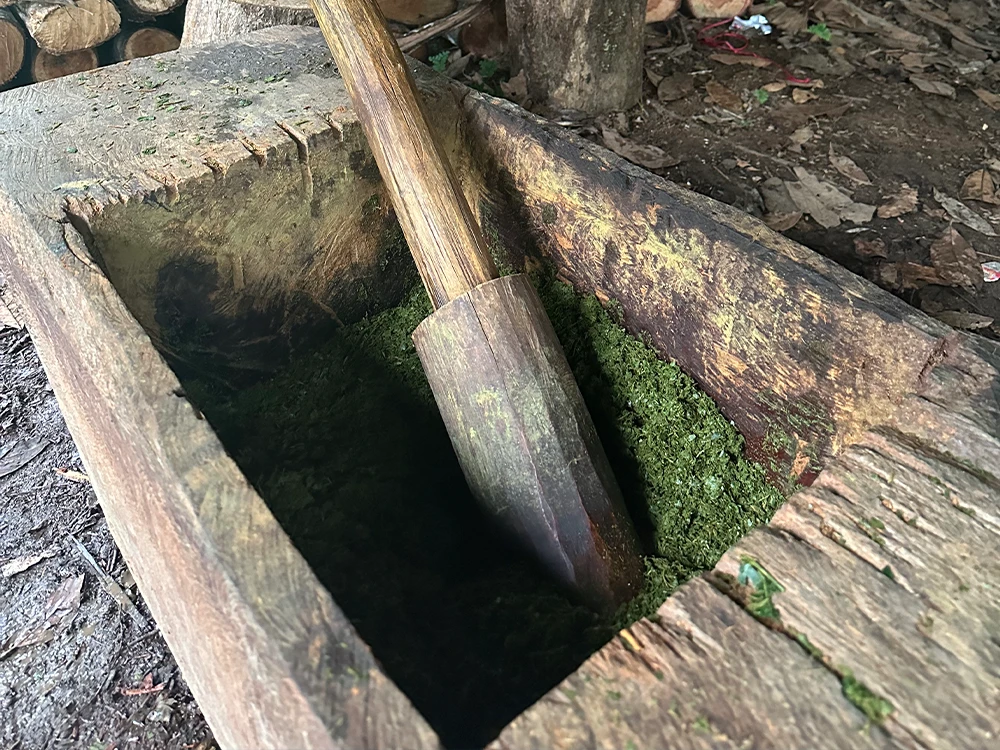
Cooked Medicine
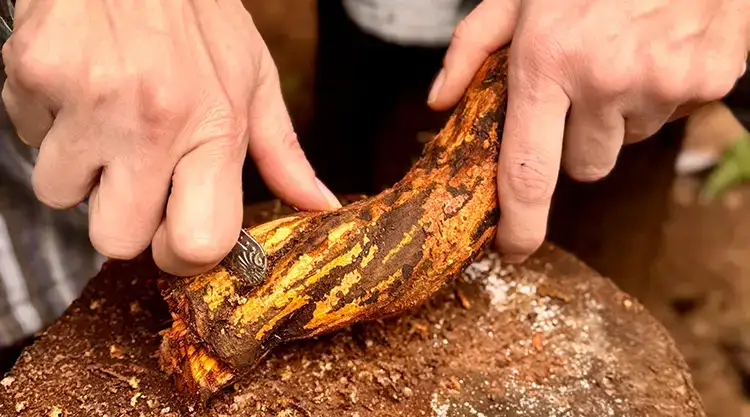
Ayahuasca Paste
Paste preparations, sometimes called pasta de yagé, are what most people drink when they attend an ayahuasca retreat in Florida, California, Costa Rica, or anywhere outside Amazonian territory. The simple reason: you cannot ship fresh or cooked medicine across borders. Paste is what survives the journey. The brew is cooked down into a concentrated solid form, then reconstituted with water for ceremony. It works. For many people who cannot access fresh or traditionally prepared medicine, it is a reasonable and practical choice. But it is worth being honest about what it is. Think of it like taking a high-quality wine, reducing it to a paste, and then adding water back before serving. The core compounds are present. Something of the original has been preserved. But the freshness, the full spectrum of volatile compounds, the quality that made it exceptional in the first place, those things do not survive the process intact. Paste medicine is considered by many traditional practitioners to be less medicinal than crudo or properly cooked medicine precisely because of what is lost in that reduction. Paste allows for more consistent dosing and easier transport across territory, which is why it has become the dominant format in the global retreat industry. For those who have no access to high-quality fresh medicine, it is an acceptable starting point. For those who have a choice, most people who have drunk both know which one they prefer.Ayahuasca vs Other Plant Medicines
The comparisons are useful only if the underlying pharmacology is understood first.Ayahuasca vs Psilocybin Mushrooms
Both ayahuasca and psilocybin activate serotonin 5-HT2A receptors, which is why they share a family of effects: visual phenomena, shifts in sense of self, emotional depth, and in controlled settings, therapeutic potential. But they are not interchangeable. The most important practical difference is MAOI activity: ayahuasca’s beta-carboline alkaloids create significant drug interaction risks that psilocybin mushrooms simply do not have. If you take SSRIs, this difference is not academic. A 2023 meta-analysis found psilocybin showed the largest effect size for depression (Hedges’ g = -1.92) among major psychedelics studied, with ayahuasca also showing significant antidepressant effects [1]. Both work. They work differently.Ayahuasca vs Ibogaine
Ibogaine operates through a completely different pharmacological mechanism, acting on kappa-opioid and sigma-2 receptors rather than primarily via 5-HT2A. The experiential difference is stark: ibogaine can last 24 to 36 hours, runs through what many people describe as a relentless confrontation with life history, and carries cardiac risks (QT prolongation) that require medical screening more intensive than ayahuasca. A landmark 2024 study from Stanford found that magnesium-ibogaine treatment produced rapid, significant improvements in PTSD, depression, and anxiety in U.S. Special Operations veterans with traumatic brain injuries [10]. It is a different tool for different work.Ayahuasca vs San Pedro / Mescaline
Both ayahuasca and San Pedro cactus (Trichocereus pachanoi) activate 5-HT2A receptors, but they belong to different chemical families. DMT is a tryptamine. Mescaline is a phenethylamine, structurally closer to dopamine than to serotonin. San Pedro ceremonies are typically daytime, grounded, and oriented toward the land rather than inward into the dark. Neither produces physical dependence [16]. They are not versions of the same thing. They are related medicines with different characters.The Ayahuasca Ceremony
The ceremony is not the container for the medicine. In every tradition, the ceremony is part of the medicine.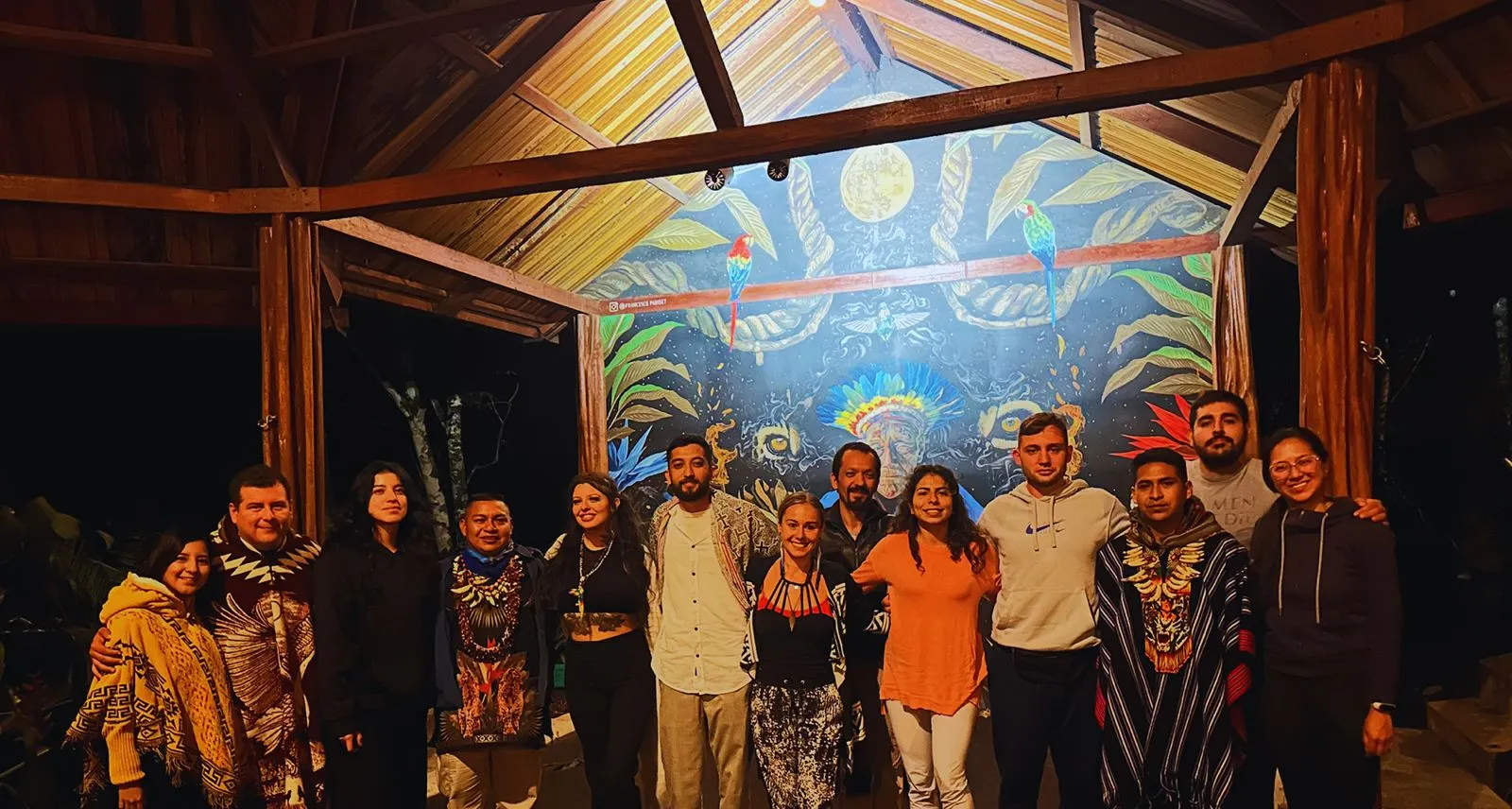
Mother Ayahuasca, The Intelligence of the Medicine
Across every tradition, the medicine is understood as more than a compound. It is understood as a presence. Benny Shanon, a cognitive psychologist at the Hebrew University, spent years systematically documenting ayahuasca phenomenology across more than 2,500 sessions and interviews with indigenous people, shamans, and participants from many backgrounds. What he found was not random: consistent, cross-cultural encounters with what people described as nonhuman presences, guiding intelligences, something that felt older and wiser than the person drinking [57]. Gearin’s [23] more recent anthropological work confirmed that the concept of ayahuasca as a sentient plant teacher, Madre Ayahuasca, Mother Ayahuasca, runs across Shipibo shamans, secular Westerners, and everyone in between. Animists interpret this literally. Secular drinkers interpret it metaphorically. Both are having the same experience. In traditional Amazonian cosmology, Mother Ayahuasca is understood as a grandmother intelligence, a feminine healing force that meets each person exactly where they are. The medicine knows what it is doing. That is not mysticism performing. That is what thousands of documented sessions consistently report. The concept of ayahuasca spiritual awakening, an opening to dimensions of experience that feel larger than ordinary selfhood, is central to why people travel from every corner of the world to sit in ceremony. It is also why the container matters so much. This level of opening requires holding.Preparation: Diet, Dieta, and Mindset
The dieta is not merely preparation for ayahuasca. In traditional Amazonian medicine, it is itself a complete healing technology.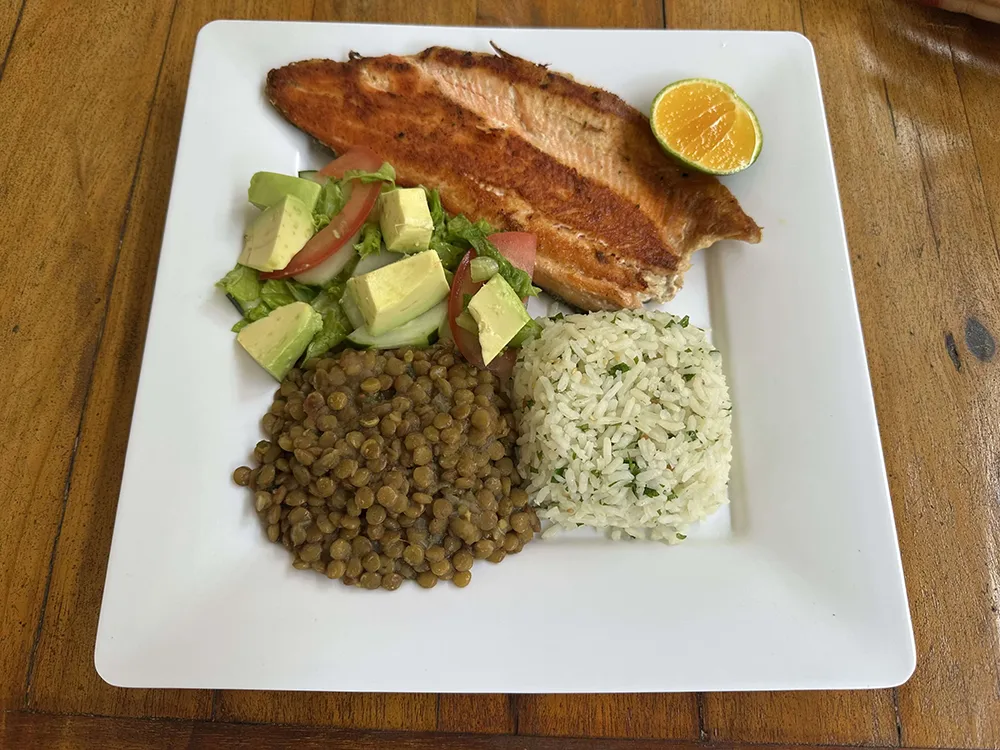
If you are preparing for ayahuasca and want to understand what responsible preparation actually looks like, the Ayahuasca Framework at mahadeviayahuasca.com/education is a free course built around these questions, from pharmacology to mindset to what to ask your facilitator.
The Ayahuasca Experience
What happens depends as much on the container as on the brew. The research describes tendencies, not guarantees. Onset arrives somewhere between twenty minutes and an hour after drinking. The body announces it first: warmth moving through the chest, a shift in the quality of sound, colors beginning to carry more weight than usual. Then the medicine opens. DMT activates serotonin 5-HT2A receptors in the brain, producing the cascade of perceptual, emotional, and cognitive shifts that make this medicine unlike anything else. Perkins et al. [45] identified five core psychotherapeutic processes in the ayahuasca experience: somatic effects, introspection and emotional processing, increased self-connection, increased spiritual connection, and the gaining of new insights and perspectives. The somatic dimension, enhanced body awareness, interoception, and the purge itself, is something ayahuasca does more intensely than any other psychedelic. The purge, or la purga, is worth speaking about directly because it frightens people who have not yet done ceremony and confuses those who approach it through a purely biomedical lens. Politi et al. [46] mapped the pharmacological mechanism: beta-carboline alkaloids activate 5-HT3 receptors in the chemoreceptor trigger zone and vagal pathway, producing emesis. That is what is happening in the body. In the ceremony, what most participants report is something harder to measure: a sense that what is leaving is not just dinner. The purge creates space. It is part of what the medicine does, not a side effect of it.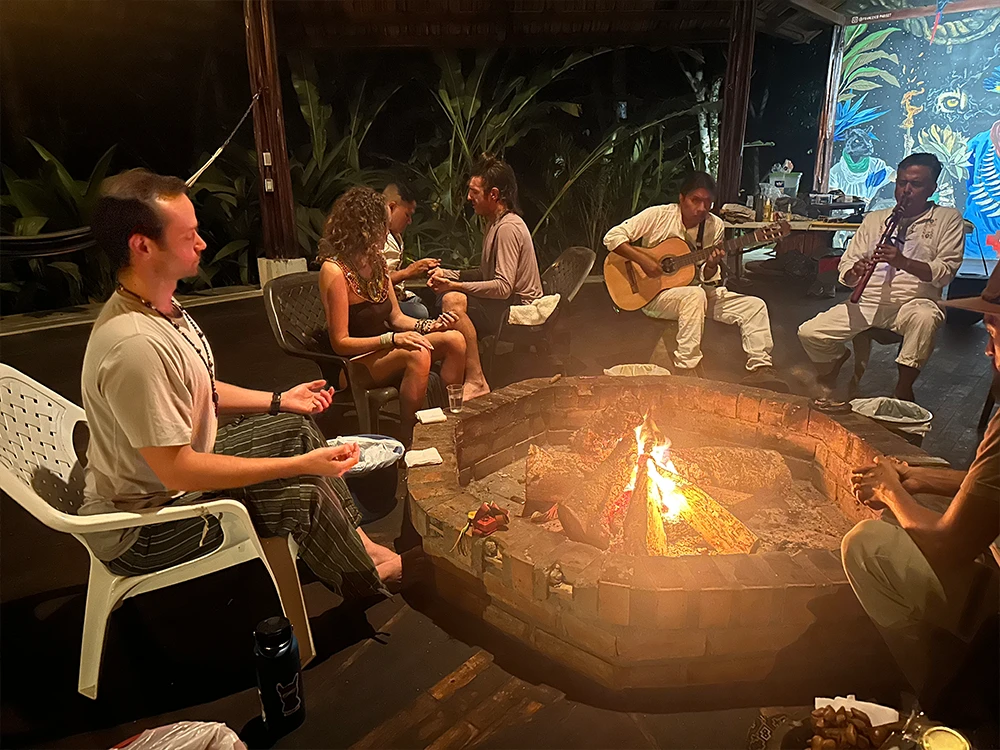
DMT, Neuroplasticity, and How It Works
The vine solves a problem that DMT alone cannot: it makes oral activity possible through a pharmacological partnership that neither plant achieves alone. This section contains medical and pharmacological information. It is for educational purposes only and does not constitute medical advice. Consult a qualified healthcare provider regarding any personal medical decisions. DMT, dimethyltryptamine, is present in Psychotria viridis and the other admixture plants used in ayahuasca. It is also, notably, present in the human body. Taken orally as an isolated compound, it is destroyed by MAO-A in the gut and liver before it can reach the brain. You could eat pure DMT and nothing would happen. The Banisteriopsis caapi vine solves this through its beta-carboline alkaloids: harmine, harmaline, and THH. These alkaloids reversibly inhibit MAO-A, creating a window during which DMT can survive digestion, enter the bloodstream, and cross into the brain [20]. Remove the vine and the whole system fails. The vine is not an adjunct. The vine enables everything. Once in the brain, DMT acts primarily through serotonin 5-HT2A receptors, with additional actions at 5-HT1A, 5-HT2C, and sigma-1 receptors. The synergistic effects of DMT and MAOIs together appear to promote neuroplasticity, the brain’s capacity to form new connections, reorganize existing ones, and operate with greater flexibility. This is the current leading hypothesis for why ayahuasca produces lasting therapeutic changes rather than simply a temporary altered state [20, 51]. The brain comes out of the experience physically different from how it went in. A 2020 fMRI study measured what this looks like neurologically. Twenty-four hours after ayahuasca, participants showed increased connectivity in the anterior cingulate cortex within the salience network, associated with emotional self-regulation, and decreased connectivity in the posterior cingulate cortex within the default mode network, the brain’s resting rumination system [43]. That default mode network suppression is thought to be central to why ayahuasca can interrupt the loops of depressive thinking and traumatic re-experiencing that conventional antidepressants struggle to touch. Inserra [30] proposed a more specific mechanism for the trauma piece: DMT’s activation of the sigma-1 receptor, combined with beta-carboline MAO inhibition, may allow the retrieval of repressed traumatic memories into a neuroplastic state where they can be processed rather than simply re-experienced, enabling fear extinction and memory reconsolidation. This remains a hypothesis, but it is grounded in known pharmacology and it matches what many participants and clinicians describe observing.Ayahuasca for Mental Health: Depression, PTSD, and Addiction
The evidence base is growing, the effect sizes are large, and the caveats are real.
Ayahuasca Integration: After the Ceremony
The ceremony opens something. Integration is the work of understanding what opened and what to do with it.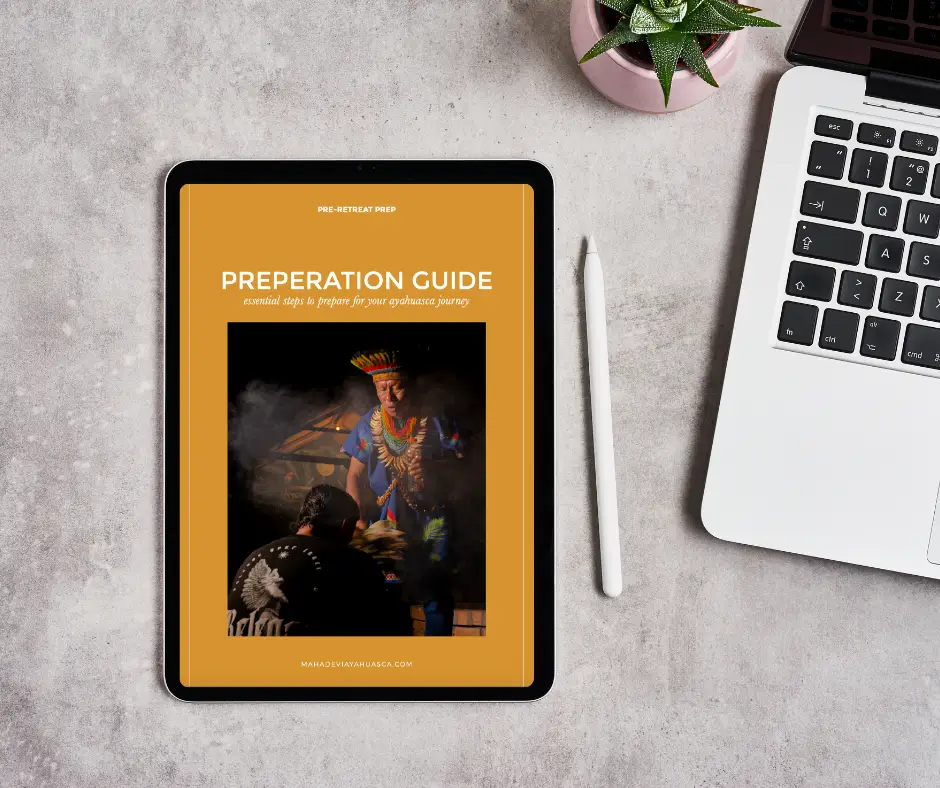
Legal Status of Ayahuasca
The brew itself is not scheduled internationally. The compound it contains is. The distinction matters. This section contains legal information for educational purposes only. Laws change and vary by jurisdiction. Nothing here constitutes legal advice. Consult a qualified attorney for guidance specific to your situation. Here is the distinction most people miss: the 1971 UN Convention on Psychotropic Substances placed DMT in Schedule I. It did not schedule plants or plant-based preparations. The International Narcotics Control Board has clarified this position formally: ayahuasca plants and preparations are not under international control under the convention [59, 54]. What individual countries do with that fact is their own business, and they have made very different decisions. In the United States: DMT is a Schedule I controlled substance under federal law [14]. Ayahuasca as a brew is illegal at the federal level. The only carve-out comes from the Supreme Court’s 2006 unanimous ruling in Gonzales v. O Centro Espírita Beneficente União do Vegetal, which held that the government had not demonstrated a compelling interest sufficient to override the UDV’s religious freedom under the Religious Freedom Restoration Act. That ruling protects the UDV specifically. It does not protect you, a retreat operator, or anyone else operating outside that specific religious context. In Brazil: legal for religious use since 1987, formalized in 2010. In Peru: declared national cultural heritage in 2008, legal for traditional use. In Colombia: legal and culturally protected for indigenous communities, with general use occupying a grey area that is rarely enforced. In most of Western Europe, ayahuasca is illegal under domestic drug laws. France and Russia are straightforwardly prohibitionist. Portugal, Mexico, Israel, and Spain maintain legal ambiguity: not explicitly legalized, not actively prosecuted [54]. Colorado’s Proposition 122 (2022) decriminalized personal possession and use of DMT among five natural psychedelic substances and created a framework for licensed healing centers eligible to offer DMT sessions beginning June 2026 [12]. This changes state enforcement. It does not change federal law. A practical note many travelers ask about: standard workplace drug panels (the typical 5- and 10-panel screens) do not test for DMT, though specialized panels exist. For a complete breakdown of detection windows and what to expect, see Does Ayahuasca Show Up on a Drug Test?.Ayahuasca Safety: Risks, Dangers, and Who Should Avoid It
The most preventable serious harms involve drug interactions. Know your medications before you consider the ceremony. This section contains medical and safety information. It is for educational purposes only and does not constitute medical advice. If you take any medication or manage a health condition, consult a qualified healthcare provider before making any decisions related to ayahuasca. The honest safety picture sits between two distortions. One frames ayahuasca as a dangerous hallucinogen that sends people to emergency rooms. The other, common in retreat marketing, presents it as reliably healing and implicitly safe for everyone. Neither is accurate. Ayahuasca carries an acceptable safety profile in healthy populations when used in controlled settings with experienced facilitators and rigorous pre-screening. Serious adverse events in otherwise healthy individuals are rare. The most common effects, nausea and vomiting, are expected and culturally framed as therapeutic. Less common are transient anxiety, headaches, and temporary blood pressure increases.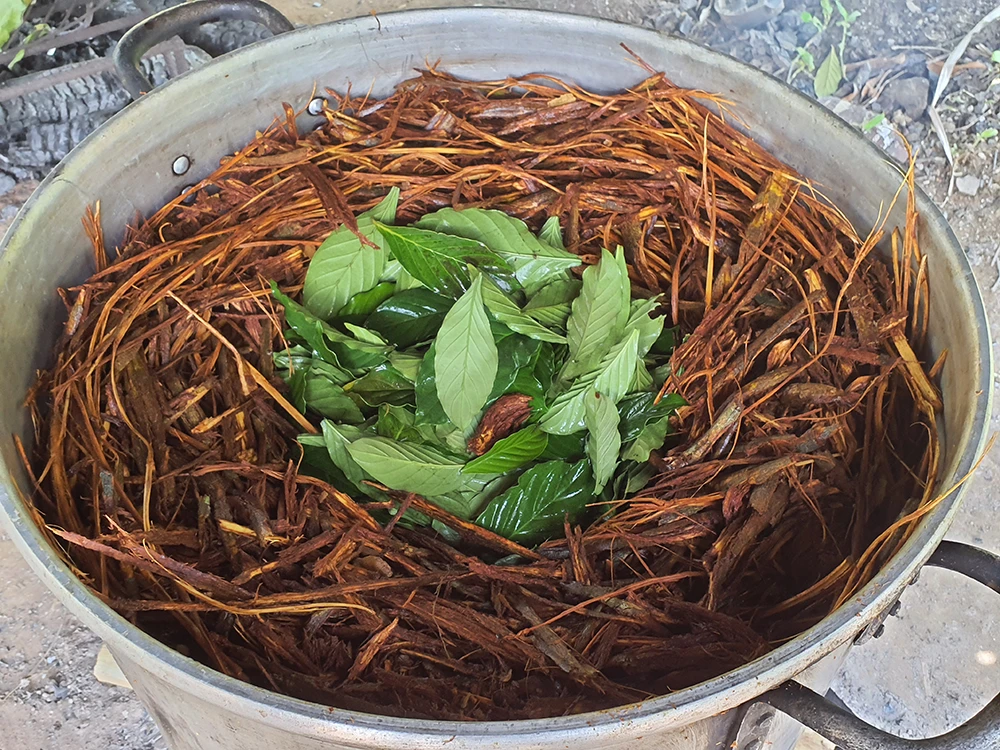
- SSRIs, SNRIs, or MAOIs: serious interaction risk, potentially life-threatening
- History of schizophrenia, psychosis, or bipolar disorder with psychotic features
- Personal or family history of psychotic or manic disorders: strongly recommend screening
- Cardiovascular conditions or serious hypertension: require medical clearance before attending
- Liver conditions: particularly relevant given MAOI-mediated metabolic load on the liver
- Pregnancy: contraindicated
- Epilepsy: contraindicated
For a complete guide to preparation, screening, and choosing a trustworthy facilitator, the Ayahuasca Framework at mahadeviayahuasca.com/education covers what responsible preparation actually looks like, from pharmacology to practitioner selection.
How to Choose the Best Ayahuasca Retreat
The container matters more than the setting. The healer matters more than the location.
What to Look For in the Best Ayahuasca Retreat
Thorough medical screening is the non-negotiable baseline. Any retreat that asks serious questions about your current medications, psychiatric history, cardiovascular health, and pregnancy status is meeting minimum due diligence [52, 28]. Any retreat that does not is telling you something important about how they approach risk. Ask about the healer’s lineage. Not their biography. Their lineage. Who did they train with? For how long? What community recognizes them? How are they accountable to the tradition they are offering? There is no credential that substitutes for genuine roots, but there are questions that distinguish someone with real training from someone with a well-designed website. Ask about emergency protocols. What happens if someone has a medical crisis? Is there someone medically trained present or on call? What is the evacuation plan? These are not anxious questions. They are the questions a thoughtful adult asks before putting themselves in a vulnerable state in the care of another person. Ask about integration support. What is offered before ceremony to prepare, and what is offered after to support the work that follows? A ceremony without integration support is structurally incomplete.Ayahuasca Retreat Cost, What to Expect
Ayahuasca retreat cost spans a wide range. Community-based ceremonies in indigenous territories sometimes ask for a modest contribution or donations. Internationally marketed retreat centers in Peru, Colombia, and Costa Rica can charge $1,000 to $6,000 or more per week (Londoño, New York Times, 2020). Price is not a reliable signal of quality in either direction. Some of the most carefully held ceremonies happen in modest settings. Some of the most expensive retreats are thin on accountability and deep on aesthetics. What you are actually paying for when the pricing is fair: the healer’s knowledge and time, the physical space and logistics, the support staff, the pre-ceremony screening process, and the integration resources. When any of those elements is absent or underbuilt, the price reflects something less than what it claims.Why Colombia Over Florida, California, USA, or Costa Rica
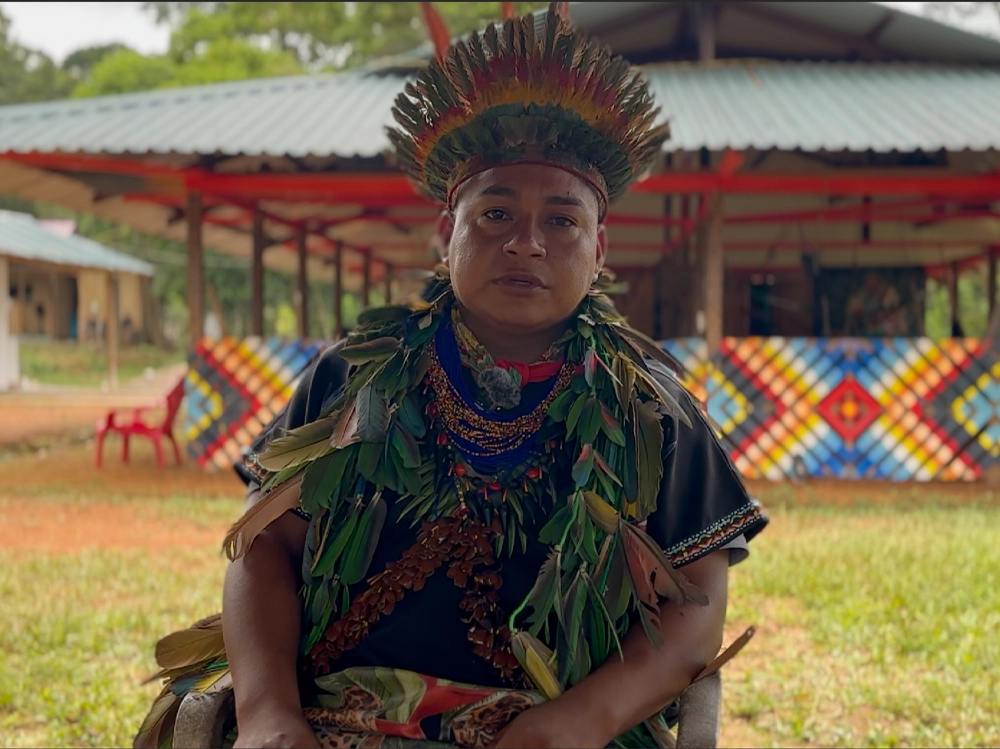
Frequently Asked Questions
what is ayahuasca
- Is ayahuasca safe?
Ayahuasca has an acceptable safety profile in healthy people who have been properly screened and are working with an experienced healer in a controlled setting. Serious adverse events are rare in those conditions. The most common effects are nausea and vomiting, which traditional frameworks understand as therapeutic. The most preventable serious risks involve drug interactions, particularly with SSRIs, SNRIs, and other serotonergic medications, and psychiatric contraindications in people with personal or family histories of psychosis or mania (dos Santos et al., 2017; ICEERS, 2024). If you are healthy and properly screened, the risk profile is manageable. If you skip the screening, it is not.
- How long does ayahuasca last?
Most ayahuasca ceremonies last four to six hours from the time of drinking. Onset arrives twenty to sixty minutes after ingestion. Peak effects typically run from roughly sixty to one hundred and fifty minutes. The full experience, including the gradual return to ordinary consciousness, generally resolves within four to six hours, though some people feel residual shifts in perception and mood into the following day (Riba et al., 2003). Ceremonies are typically held at night and run until the early morning hours.
- What does ayahuasca feel like?
Ayahuasca produces profound shifts in perception, emotion, and sense of self. Common experiences include vivid visionary states, intense emotional processing, physical purging, encounters with what participants describe as plant intelligence or guiding presences, and deep introspective states that can move through grief, fear, gratitude, and clarity in rapid succession. Shanon’s (2002) systematic phenomenological study documented consistent cross-cultural patterns: the experience is not random. Many people describe it as the most meaningful experience of their lives. Many people also find it genuinely difficult. Both of these things are true at the same time.
- Is ayahuasca legal?
Legality depends on where you are. Ayahuasca is legal for religious use in Brazil, recognized as national cultural heritage in Peru, and legally protected for indigenous use in Colombia. In the United States, DMT is a Schedule I controlled substance. The Supreme Court’s 2006 ruling in Gonzales v. O Centro Espírita Beneficente União do Vegetal granted narrow religious protection to the UDV specifically. That protection does not extend to individuals or retreat operators operating outside that specific religious context. Most of Western Europe prohibits it. Colombia and Peru are the most accessible legal destinations for ceremony (Sánchez Avilés & Rebollo, ICEERS, 2019; DEA, 2024).
- Can I take ayahuasca if I am on antidepressants?
No. This is the most important safety question in this article. Ayahuasca’s beta-carboline alkaloids inhibit MAO-A, the same enzyme that MAOI antidepressants target. Combining them can produce dangerously elevated serotonergic activity, including the risk of serotonin syndrome, a potentially serious medical emergency. SSRIs and SNRIs also interact dangerously with ayahuasca’s MAOI compounds (Callaway & Grob, 1998; Ruffell et al., 2020). If you take any medication affecting serotonin, consult a physician before any involvement with ayahuasca. Disclose all medications to any provider. This is not negotiable and not something to work around.
- What is the difference between ayahuasca and yagé?
They are the same medicine with different names carried by different traditions. Yagé is the name used primarily in Colombia and parts of Ecuador, by the Siona, Inga, Kamsá, Cofán, and related peoples. Ayahuasca is the Quechua name used in Peru, Bolivia, and parts of Ecuador. In Brazil the same medicine is called daime in Santo Daime communities and hoasca or vegetal in the União do Vegetal. The key pharmacological difference in many Colombian and Ecuadorian preparations is the use of Diplopterys cabrerana (chagropanga) as the DMT-bearing admixture plant rather than Psychotria viridis (chacruna) used in Peru, producing different alkaloid profiles and different ceremony characters (Brito-da-Costa et al., 2020; Chambers et al., 2020).
- What should I look for in an ayahuasca retreat?
Rigorous medical and psychiatric screening before you arrive. A healer with traceable lineage and community accountability, not just a compelling personal story. Clear emergency protocols. Integration support both before and after ceremony. Transparency about what the ceremony involves and what to expect. Any provider who is casual about medications, who does not ask about your psychiatric history, or who cannot explain clearly who trained them and how they are accountable to that tradition is a provider to avoid (Rossi et al., 2023; ICEERS, 2019). The quality of the container around the experience matters more than the location, the price, or the reviews.
Conclusion
The pharmacology is the gateway, not the destination. Ayahuasca is a brew from the Amazon, a pharmacological partnership between a vine and a leaf, and a ceremonial technology refined over centuries by the peoples who developed it and still carry it. It contains DMT made orally active by MAOI beta-carbolines in the vine. It travels under dozens of names across four countries and many more indigenous nations. It has documented effects on brain networks, on depression, on trauma, on addiction. It carries real risks for people with certain psychiatric histories or medication combinations. It is illegal in most of the Western world and protected in the Amazon basin where it was born. None of that is the most important thing to understand. The most important questions are not pharmacological. They are: Who am I learning from, and do they have genuine roots in the tradition they are offering? What container is being held around this experience? Have I been honest about my health history and my medications? Do I actually respect what I am approaching, not as a product or a solution, but as something that belongs to living people and living land? The brew does not answer those questions. You do.References
- Bahji, A., Lunsky, I., Gutiérrez, G., & Vazquez, G. (2023). Efficacy and Safety of Four Psychedelic-Assisted Therapies. Journal of Psychoactive Drugs. DOI: 10.1080/02791072.2023.2278586
- Barbosa, P.C.R., et al. (2018). Assessment of Alcohol and Tobacco Use Disorders Among Religious Users of Ayahuasca. Frontiers in Psychiatry. DOI: 10.3389/fpsyt.2018.00136
- Berlowitz, I., et al. (2022). Teacher plants: Indigenous Peruvian-Amazonian dietary practices. Journal of Ethnopharmacology. DOI: 10.1016/j.jep.2021.114910
- Brito-da-Costa, A.M., et al. (2020). Toxicokinetics and Toxicodynamics of Ayahuasca Alkaloids. Pharmaceuticals (Basel), 13(11), 334. DOI: 10.3390/ph13110334
- Callaway, J.C., Brito, G.S., & Neves, E.S. (2005). Phytochemical Analyses of Banisteriopsis caapi and Psychotria viridis. Journal of Psychoactive Drugs. DOI: 10.1080/02791072.2005.10399795
- Callaway, J.C., & Grob, C.S. (1998). Ayahuasca preparations and serotonin reuptake inhibitors. Journal of Psychoactive Drugs. DOI: 10.1080/02791072.1998.10399712
- Celidwen, Y., et al. (2022). Ethical Principles of Traditional Indigenous Medicine. The Lancet Regional Health Americas. DOI: 10.1016/j.lana.2022.100410
- Cepek, M.L. (2019). Valueless Value: The Question of Production in Cofán Shamanism. HAU: Journal of Ethnographic Theory. DOI: 10.1086/705430
- Chambers, M.I., et al. (2020). Detection and Quantification of DMT in Ayahuasca Brews. ACS Omega, 5(44), 28547-28554. DOI: 10.1021/acsomega.0c03196
- Cherian, K.N., et al. (2024). Magnesium-ibogaine therapy in veterans with traumatic brain injuries. Nature Medicine. DOI: 10.1038/s41591-023-02705-w
- CONAD Resolução No. 1. (2010). Conselho Nacional de Políticas sobre Drogas, Brazil.
- Colorado Natural Medicine Health Act, Proposition 122 (2022). Colorado Revised Statutes, Article 170, Title 12.
- Cowley-Court, T., et al. (2023). Life after Ayahuasca. Psychoactives, 2(2). DOI: 10.3390/psychoactives2020014
- DEA Diversion Control Division (2024). N,N-Dimethyltryptamine (DMT) Drug Fact Sheet.
- de Rose, I.S. (2024). Forest Medicines and Global Alliances Between the Yawanawa People and Santo Daime. Chacruna Institute.
- Doesburg-van Kleffens, M., et al. (2023). An Overview on the Hallucinogenic Peyote and Its Alkaloid Mescaline. Molecules, 28, 7942. DOI: 10.3390/molecules28247942
- Dobkin de Rios, M., & Katz, F. (1975). Some Relationships between Music and Hallucinogenic Ritual. Ethos, 3(1), 64-76.
- dos Santos, R.G., Bouso, J.C., & Hallak, J.E.C. (2017). Ayahuasca, dimethyltryptamine, and psychosis: a systematic review. Therapeutic Advances in Psychopharmacology, 7(4), 141-157. DOI: 10.1177/2045125316689030
- Duarte, A.P., et al. (2023). A Systematic Review on the Therapeutic Effects of Ayahuasca. Plants, 12(13), 2573. DOI: 10.3390/plants12132573
- Egger, K., et al. (2024). Neurobiological research on N,N-dimethyltryptamine (DMT). Cellular and Molecular Life Sciences. DOI: 10.1007/s00018-024-05353-6
- Fotiou, E. (2020). Shamanic Tourism in the Peruvian Lowlands. Journal of Latin American and Caribbean Anthropology. DOI: 10.1111/jlca.12508
- García Molina, A. (2014). The Sound Tactics of Upper Putumayo Shamans. NEIP. (Master’s thesis)
- Gearin, A.K. (2024). Healing with Ayahuasca the Plant Teacher. Medical Anthropology, 43(7), 645-659. DOI: 10.1080/01459740.2024.2410969
- Gonzalez, D., et al. (2021). The Shipibo Ceremonial Use of Ayahuasca to Promote Well-Being. Frontiers in Pharmacology. DOI: 10.3389/fphar.2021.623923
- Gonzales v. O Centro Espírita Beneficente União do Vegetal, 546 U.S. 418 (2006). U.S. Supreme Court.
- Gorman, I., et al. (2021). Psychedelic Harm Reduction and Integration: A Transtheoretical Model. Frontiers in Psychology. DOI: 10.3389/fpsyg.2021.645246
- Graham, O.J., Saucedo, G.R., & Politi, M. (2023). Experiences of Listening to Icaros during Ayahuasca Ceremonies at Centro Takiwasi. Anthropology of Consciousness, 34(1), 35-67. DOI: 10.1111/anoc.12170
- ICEERS (2019). Towards Better Ayahuasca Practices: A Guide for Organizers and Participants. Barcelona: ICEERS.
- ICEERS (2024). Ayahuasca Safety Profile. iceers.org
- Inserra, A. (2018). Hypothesis: The Psychedelic Ayahuasca Heals Traumatic Memories via a Sigma 1 Receptor-Mediated Epigenetic-Mnemonic Process. Frontiers in Pharmacology. DOI: 10.3389/fphar.2018.00330
- Jütte, M. (2018). Cofán-Curaca in Trouble: About the Controversy Between the Indigenous Cofán and Alberto Varela. NEIP.
- Labate, B.C., & Feeney, K. (2012). Ayahuasca and the Process of Regulation in Brazil and Internationally. International Journal of Drug Policy, 23(2), 154-161. DOI: 10.1016/j.drugpo.2011.06.006
- Labate, B.C., & MacRae, E. (Eds.) (2010). Ayahuasca, Ritual and Religion in Brazil. London: Equinox/Routledge.
- Langdon, E.J. (2016). The Revitalization of Yajé Shamanism among the Siona. Anthropology of Consciousness, 27(2), 180-203. DOI: 10.1111/anoc.12058
- Langdon, E.J., Laffay, T., & Maniguaje-Yaiguaje, P. (2023). Resistencias, re-existencias y prácticas chamánicas. Mundo Amazónico, 14(1). DOI: 10.15446/ma.v14n1.104431
- Luna, L.E. (1984). The Concept of Plants as Teachers among Four Mestizo Shamans of Iquitos. Journal of Ethnopharmacology, 11, 135-156.
- Luna, L.E. (1986). Vegetalismo: Shamanism Among the Mestizo Population of the Peruvian Amazon. Stockholm: Almqvist & Wiksell International.
- Malcolm, B.J., & Lee, K.C. (2018). Ayahuasca: An ancient sacrament for treatment of contemporary psychiatric illness? Mental Health Clinician, 7(1), 39-45. DOI: 10.9740/mhc.2017.01.039
- Miller, M.J., et al. (2019). Chemical evidence for the use of multiple psychotropic plants in a 1,000-year-old ritual bundle. PNAS, 116(23), 11207-11212. DOI: 10.1073/pnas.1902174116
- O’Shaughnessy, D.M., & Berlowitz, I. (2021). Amazonian Medicine and the Psychedelic Revival: Considering the “Dieta”. Frontiers in Pharmacology. DOI: 10.3389/fphar.2021.639124
- Pagni, B.A., et al. (2022). Changes in mental health, wellbeing and personality following ayahuasca consumption. Frontiers in Pharmacology. DOI: 10.3389/fphar.2022.884703
- Palhano-Fontes, F., et al. (2019). Rapid antidepressant effects of the psychedelic ayahuasca in treatment-resistant depression. Psychological Medicine, 49(4), 655-663. DOI: 10.1017/S0033291718001356
- Pasquini, L., Palhano-Fontes, F., & Araujo, D.B. (2020). Subacute effects of the psychedelic ayahuasca on the salience and default mode networks. Journal of Psychopharmacology, 34(10), 1049-1059. DOI: 10.1177/0269881120909409
- Perkins, D., et al. (2021). Influence of Context and Setting on the Mental Health and Wellbeing Outcomes of Ayahuasca Drinkers. Frontiers in Pharmacology. DOI: 10.3389/fphar.2021.623979
- Perkins, D., et al. (2023). Psychotherapeutic and neurobiological processes associated with ayahuasca. Frontiers in Neuroscience. DOI: 10.3389/fnins.2022.879221
- Politi, M., et al. (2022). Beyond the Psychoactive Effects of Ayahuasca. Planta Medica, 88(3-4), 273-287. DOI: 10.1055/a-1675-3840
- Politi, M., et al. (2019). Medicinal plants diet as emerging complementary therapy from the Amazonian tradition. Journal of Medicinal Herbs and Ethnomedicine. DOI: 10.25081/jmhe.2019.v5.5692
- Ramírez de Jara, M.C., & Pinzón Castaño, C.E. (1993). Sibundoy Shamanism and Popular Culture in Colombia. In Langdon & Baer (Eds.), Portals of Power. Albuquerque: University of New Mexico Press.
- Riba, J., et al. (2003). Human pharmacology of ayahuasca. Journal of Pharmacology and Experimental Therapeutics, 306(1), 73-83. DOI: 10.1124/jpet.103.049882
- Richards, W.A. (2015). Sacred Knowledge: Psychedelics and Religious Experiences. New York: Columbia University Press.
- Rossi, G., et al. (2022). Molecular Pathways of the Therapeutic Effects of Ayahuasca. Biomolecules, 12(11), 1618. DOI: 10.3390/biom12111618
- Rossi, G., et al. (2023). Guidelines for Establishing Safety in Ayahuasca and Ibogaine Administration in Clinical Settings. Psychoactives, 2(4). DOI: 10.3390/psychoactives2040024
- Ruffell, S., et al. (2020). The pharmacological interaction of compounds in ayahuasca: a systematic review. Brazilian Journal of Psychiatry, 42(6), 646-656. DOI: 10.1590/1516-4446-2020-0884
- Sánchez Avilés, C., & Rebollo, N. (ICEERS) (2019). International Regulation of Ayahuasca Practices.
- Schultes, R.E., & Raffauf, R.F. (1992). Vine of the Soul: Medicine Men, Their Plants and Rituals in the Colombian Amazonia. Oracle, AZ: Synergetic Press.
- Schultes, R.E., Hofmann, A., & Rätsch, C. (2001). Plants of the Gods. Rochester, VT: Healing Arts Press.
- Shanon, B. (2002). The Antipodes of the Mind: Charting the Phenomenology of the Ayahuasca Experience. Oxford: Oxford University Press.
- Tupper, K.W. (2009). Ayahuasca healing beyond the Amazon. Global Networks, 9(1). DOI: 10.1111/j.1471-0374.2009.00245.x
- UNODC (1971). Convention on Psychotropic Substances, 1971. United Nations Office on Drugs and Crime.
- Wasserstrom, R. (2014). Surviving the Rubber Boom: Cofán and Siona Society in the Colombia-Ecuador Borderlands. Ethnohistory, 61(3), 525-548. DOI: 10.1215/00141801-2681786
- Watts, R., & Luoma, J.B. (2020). The use of the psychological flexibility model to support psychedelic assisted therapy. Journal of Contextual Behavioral Science. DOI: 10.1016/j.jcbs.2019.12.004
- Wong, S., et al. (2023). Beyond Psilocybin: Reviewing the Therapeutic Potential of Other Serotonergic Psychedelics. Journal of Psychoactive Drugs. DOI: 10.1080/02791072.2023.2251133
- Yao, Y., et al. (2024). Efficacy and safety of psychedelics for the treatment of mental disorders: A systematic review and meta-analysis. Psychiatry Research. DOI: 10.1016/j.psychres.2024.115886
 About the Author
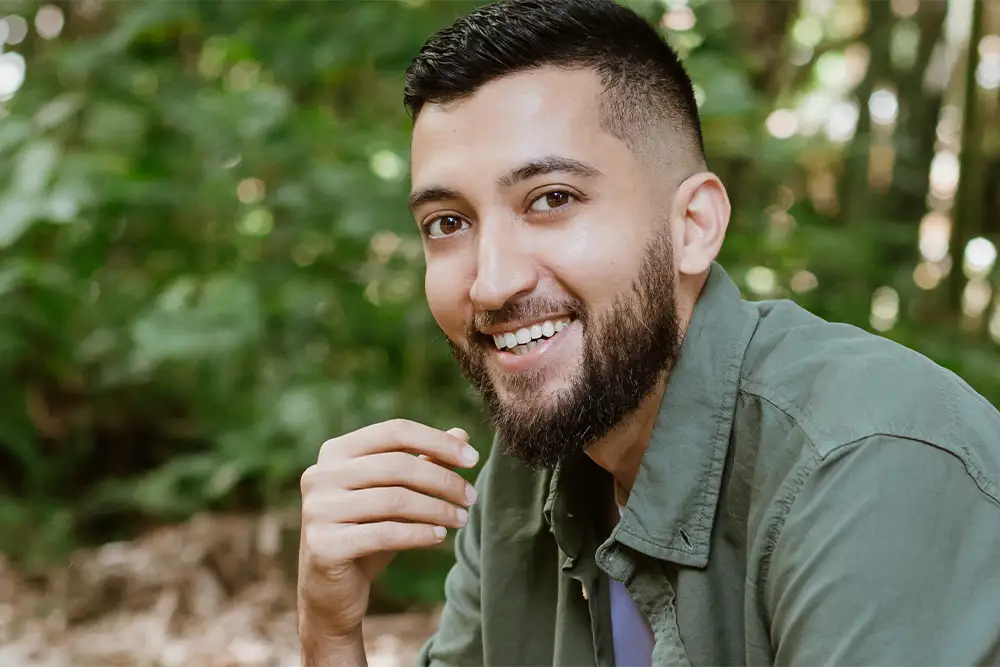
Yasha Shah is the founder of MahaDevi Ayahuasca, a retreat center in Colombia. He has been working with ayahuasca since 2017, with experience across hundreds of ceremonies as both a participant and retreat organizer. Trained within the Shipibo and Camsá traditions and holding psychedelic integration certifications from ICEERS and Onaya Science, his work bridges indigenous wisdom, harm-reduction principles, and practical integration for modern seekers. Yasha writes about ayahuasca, plant medicine, and psychedelics — covering integration, preparation, and harm reduction to help readers make informed and responsible decisions.